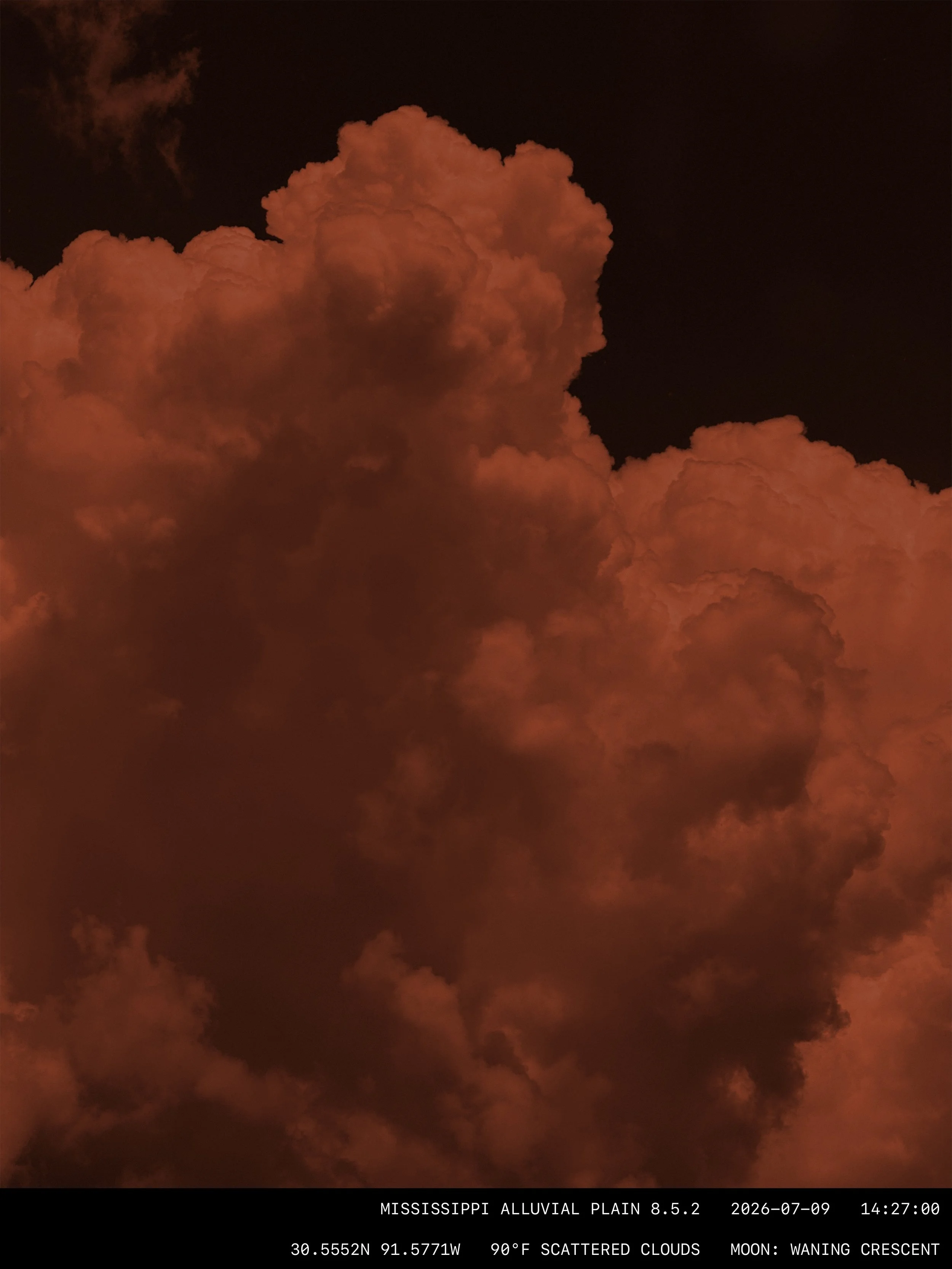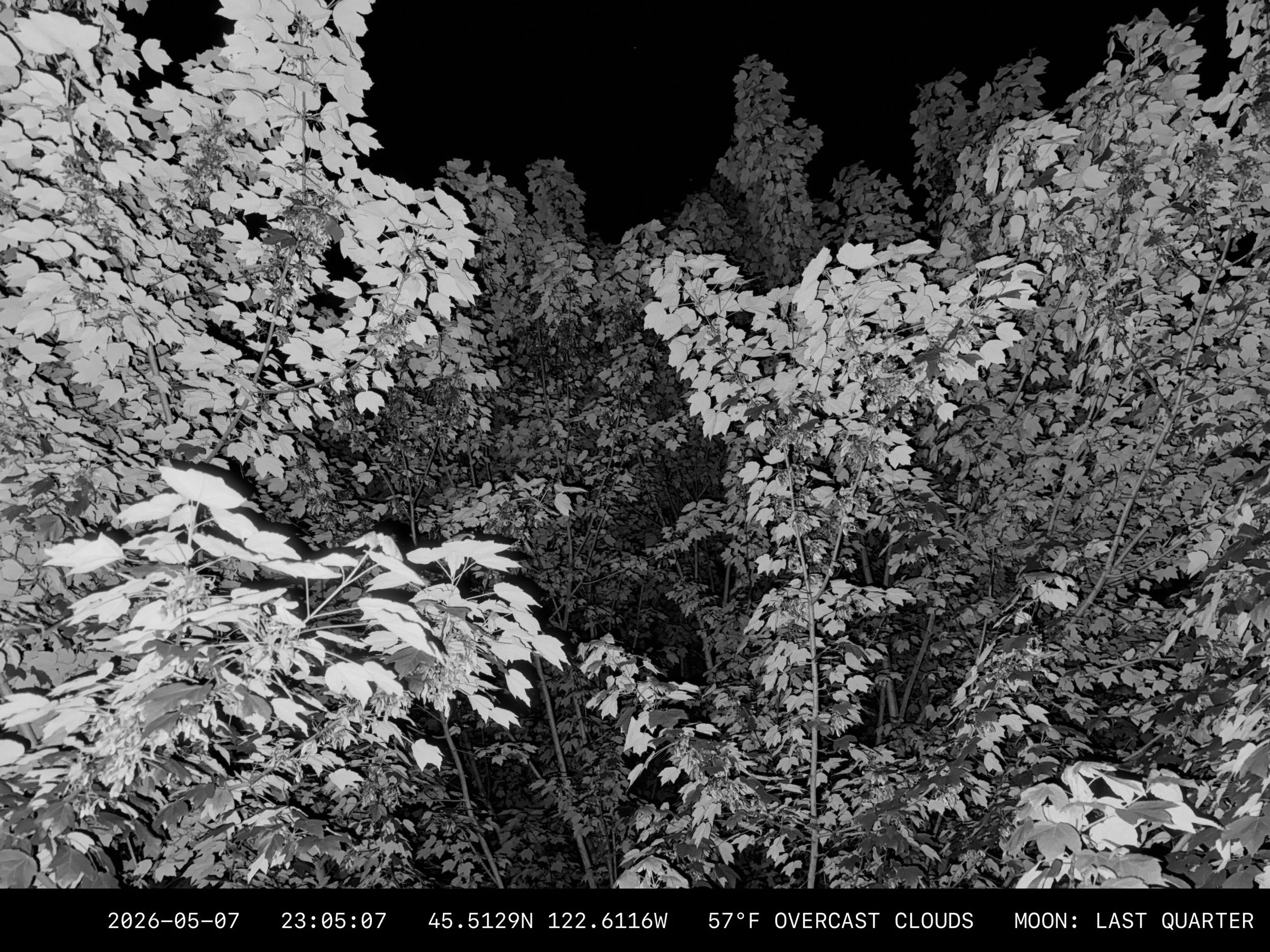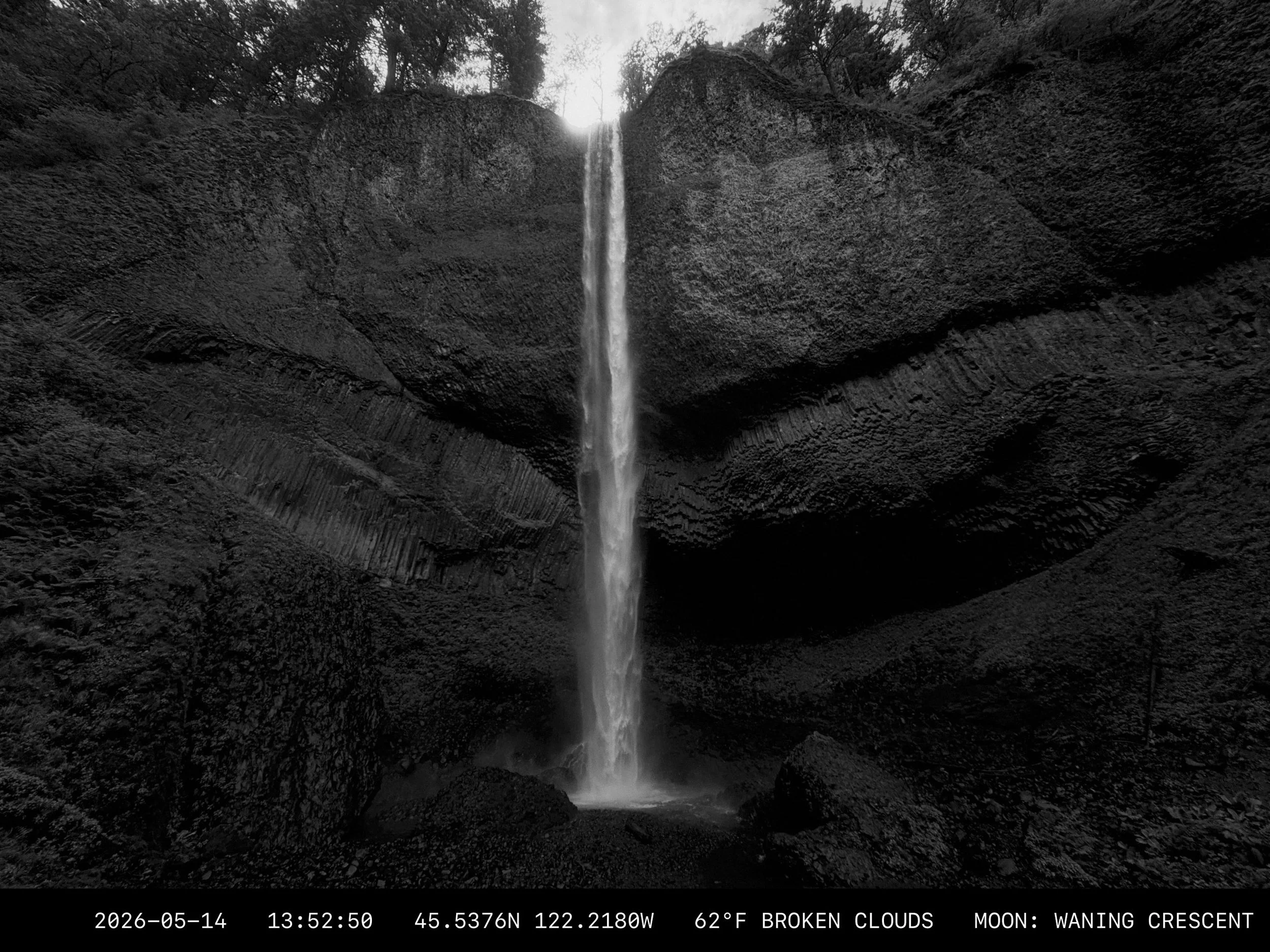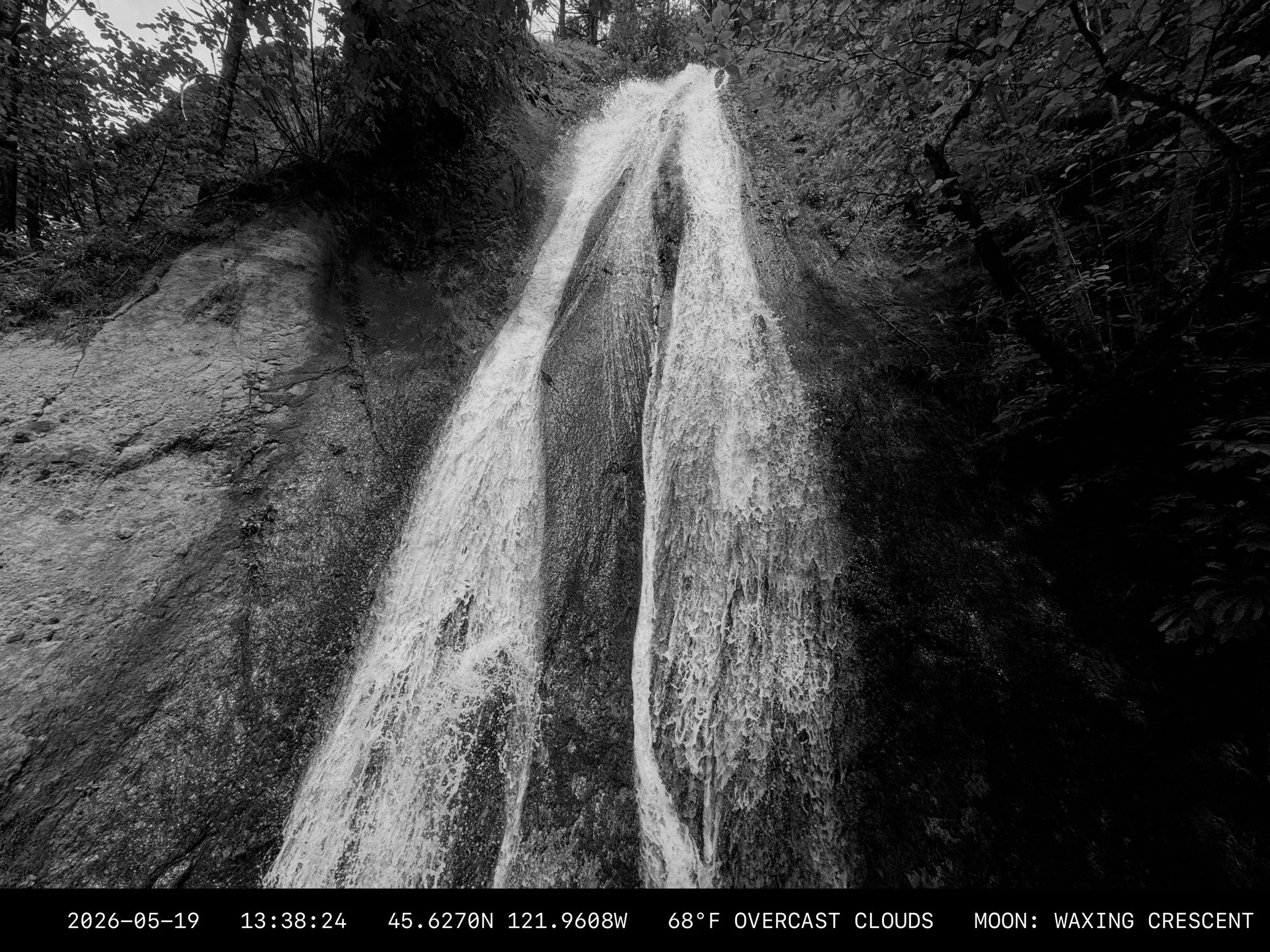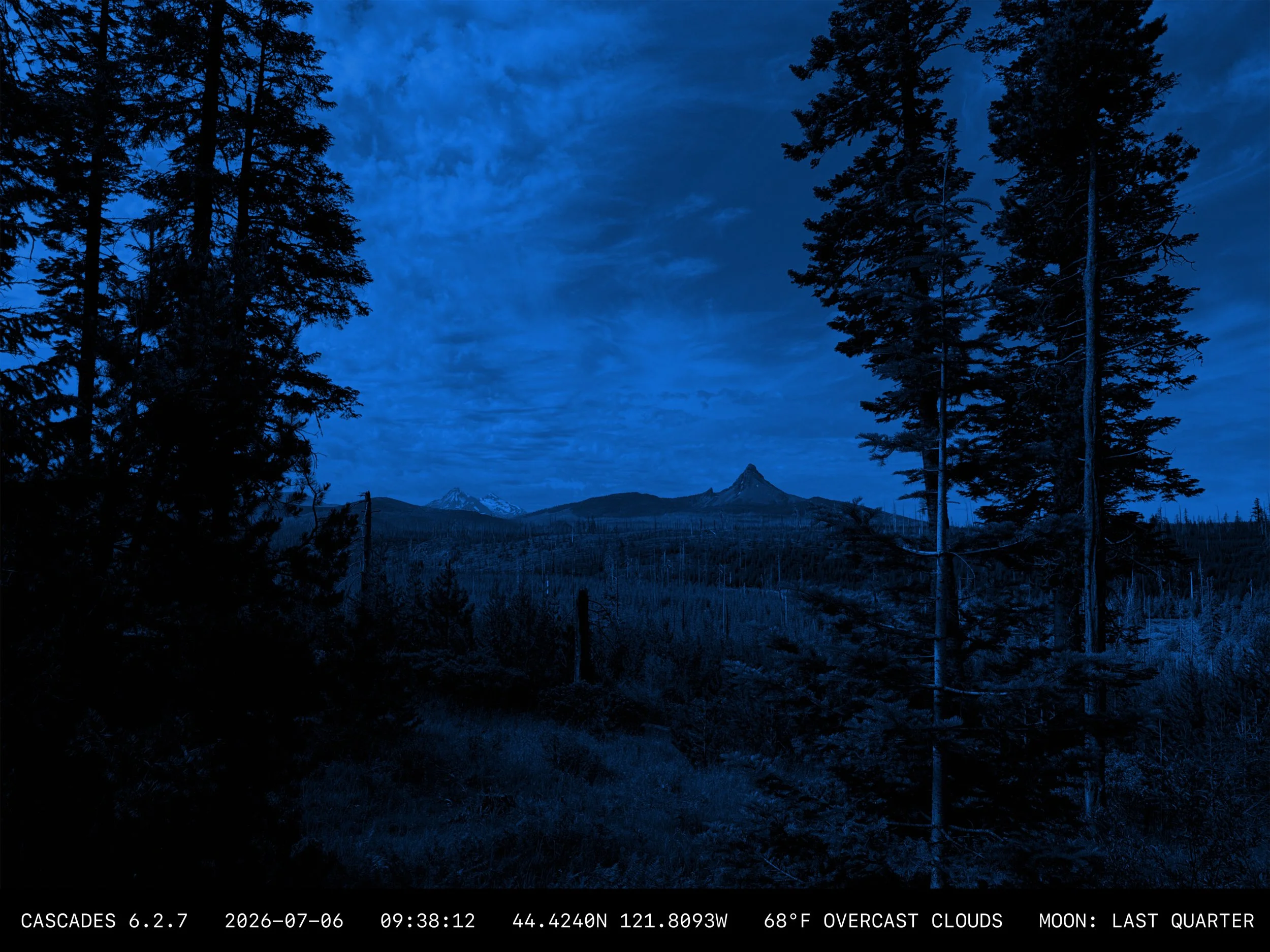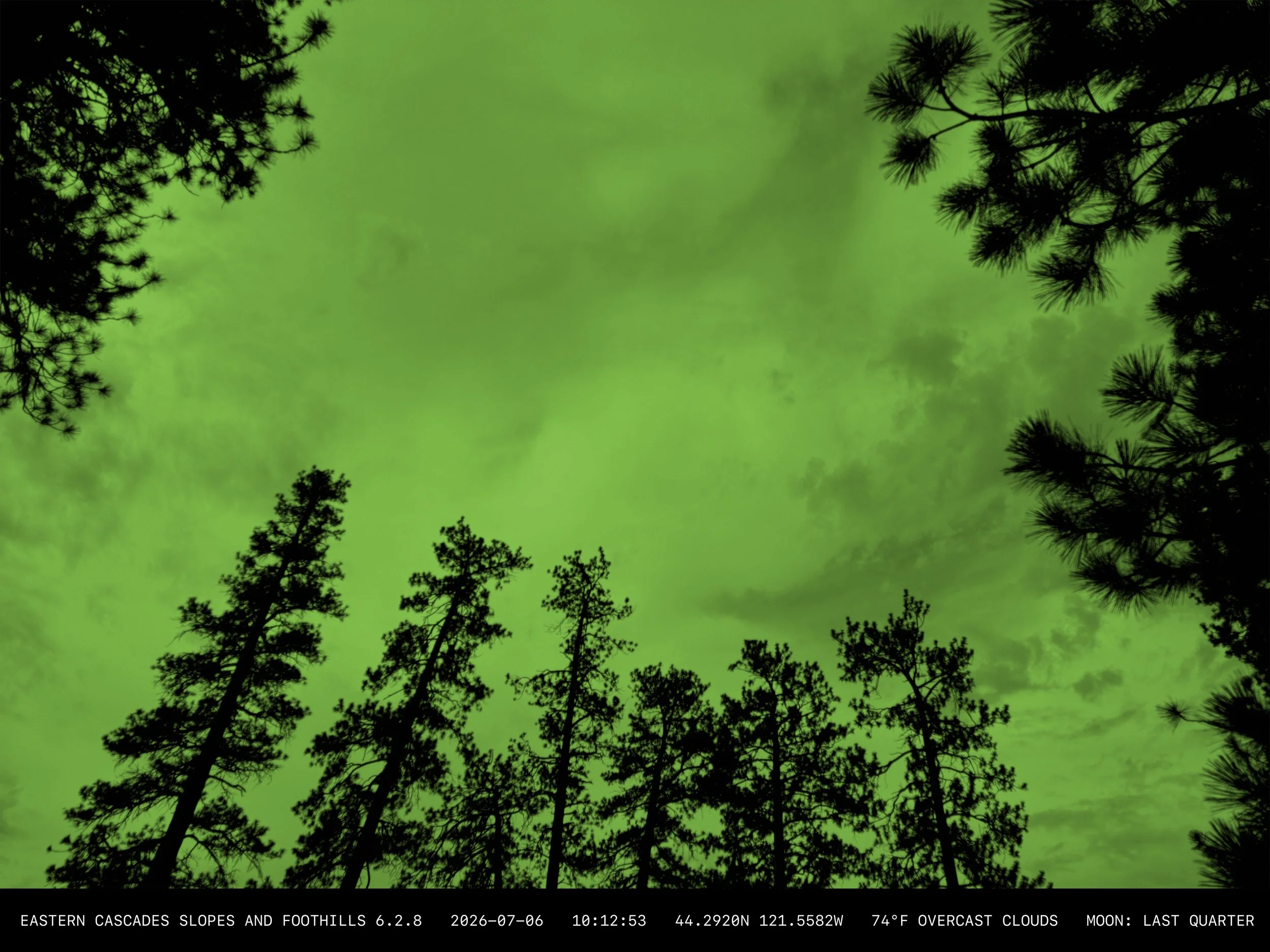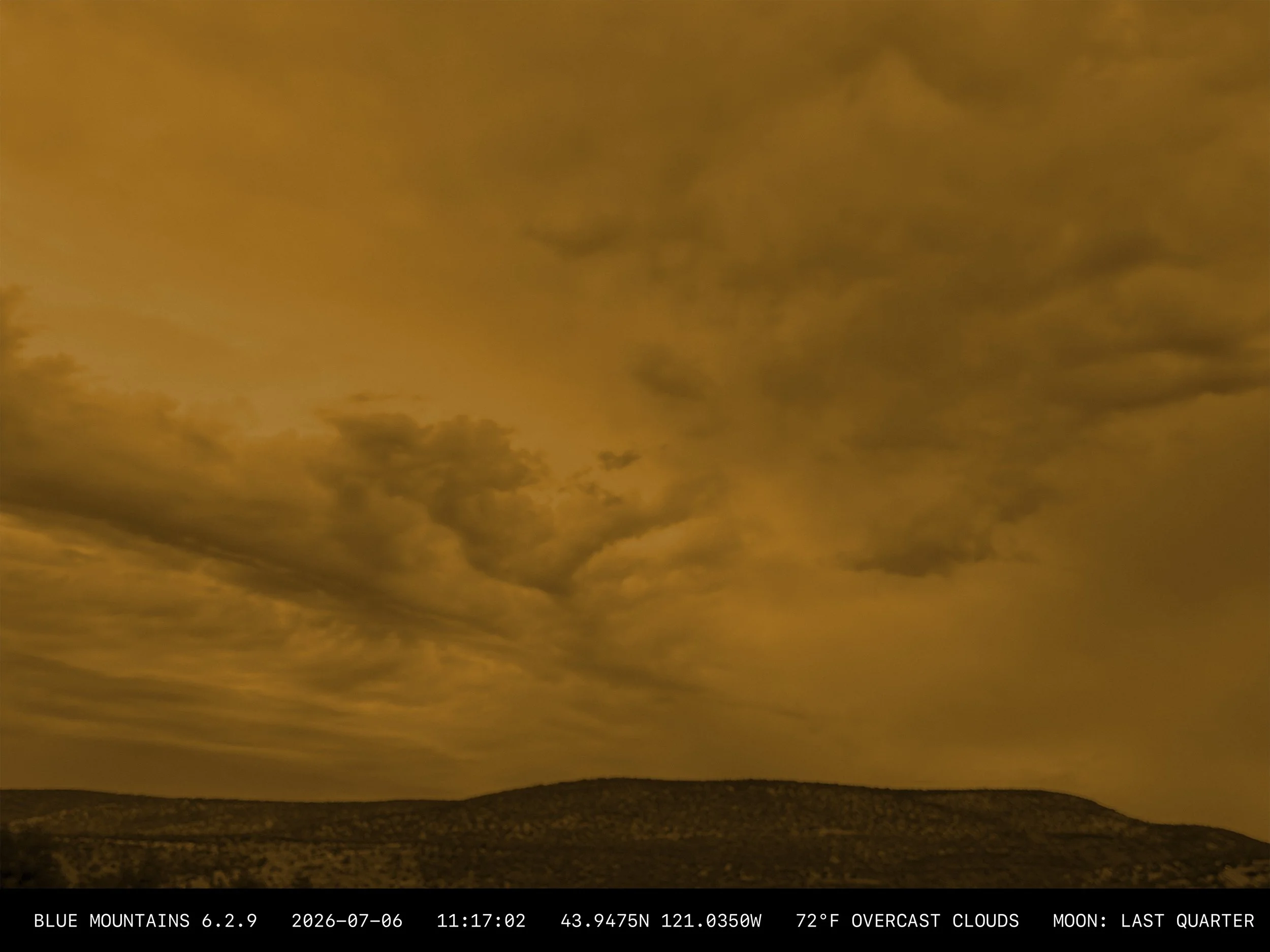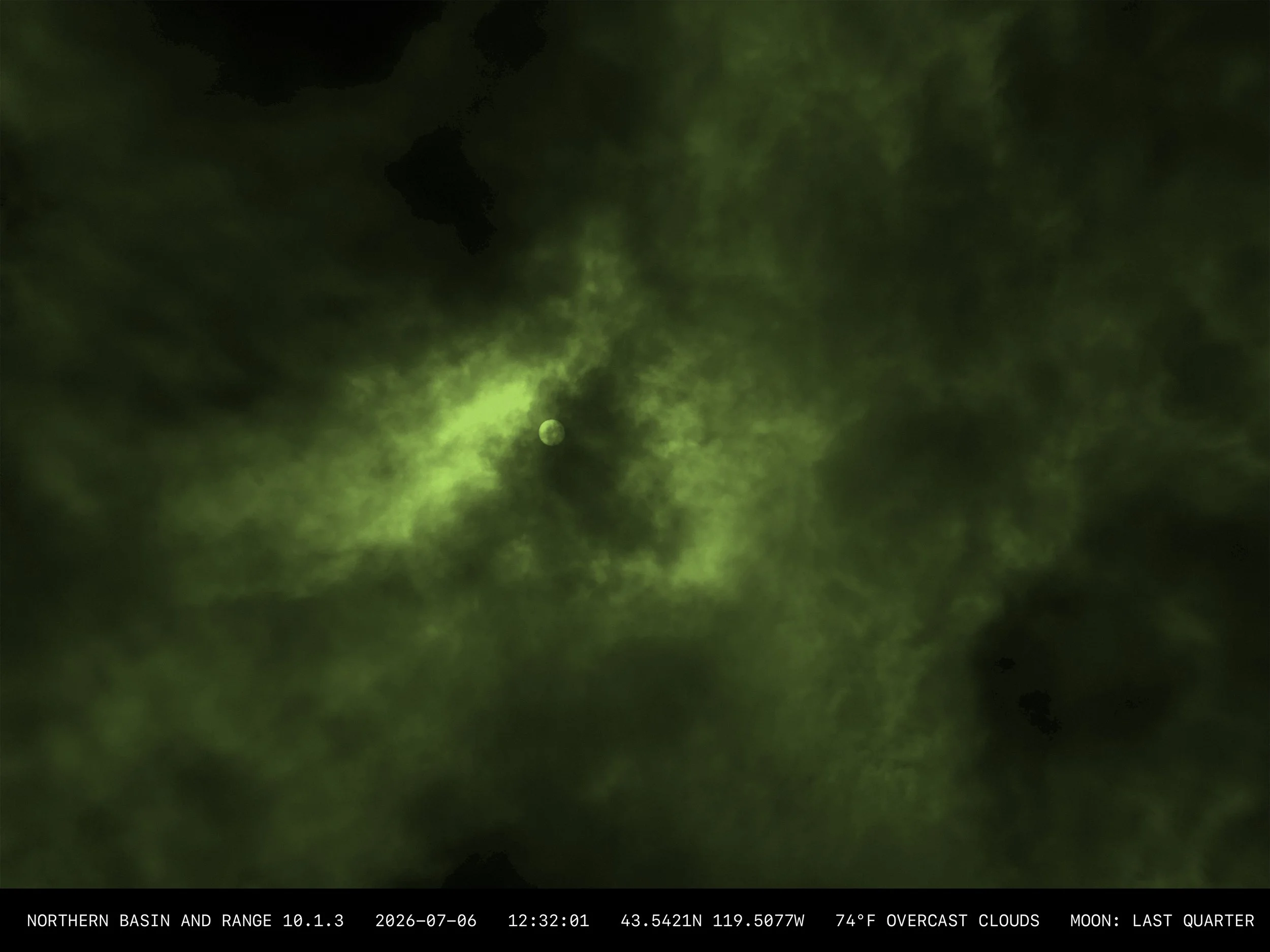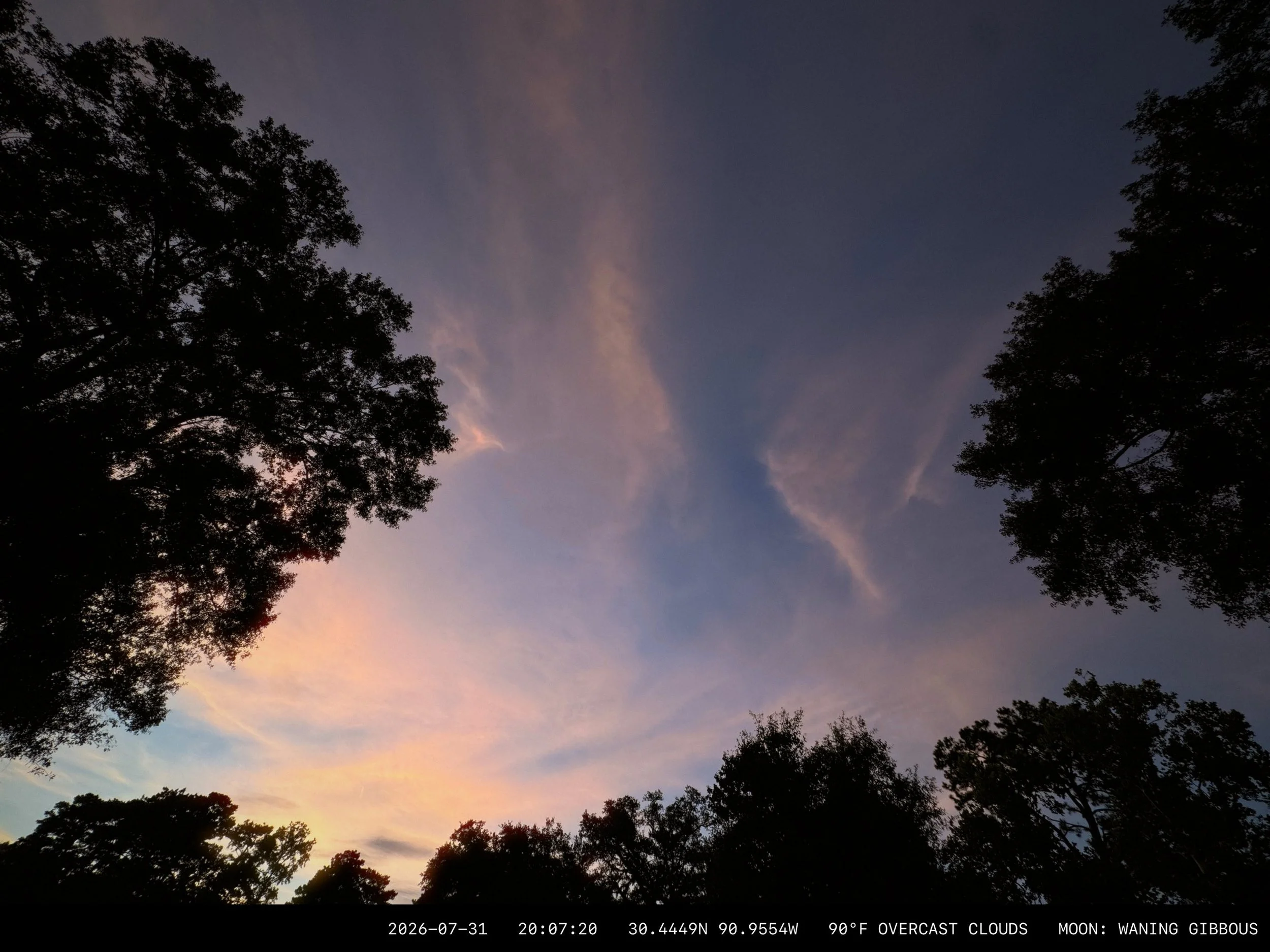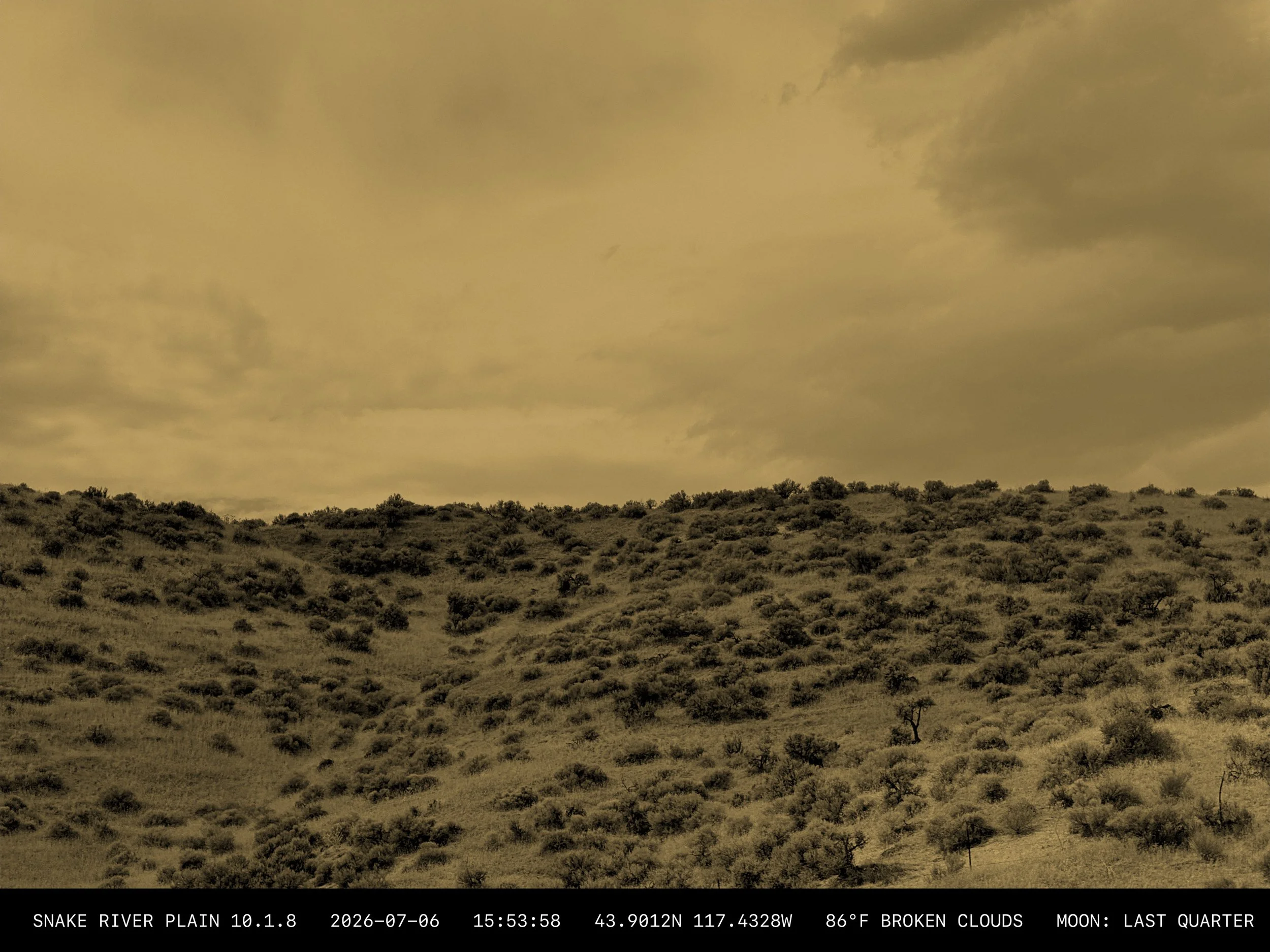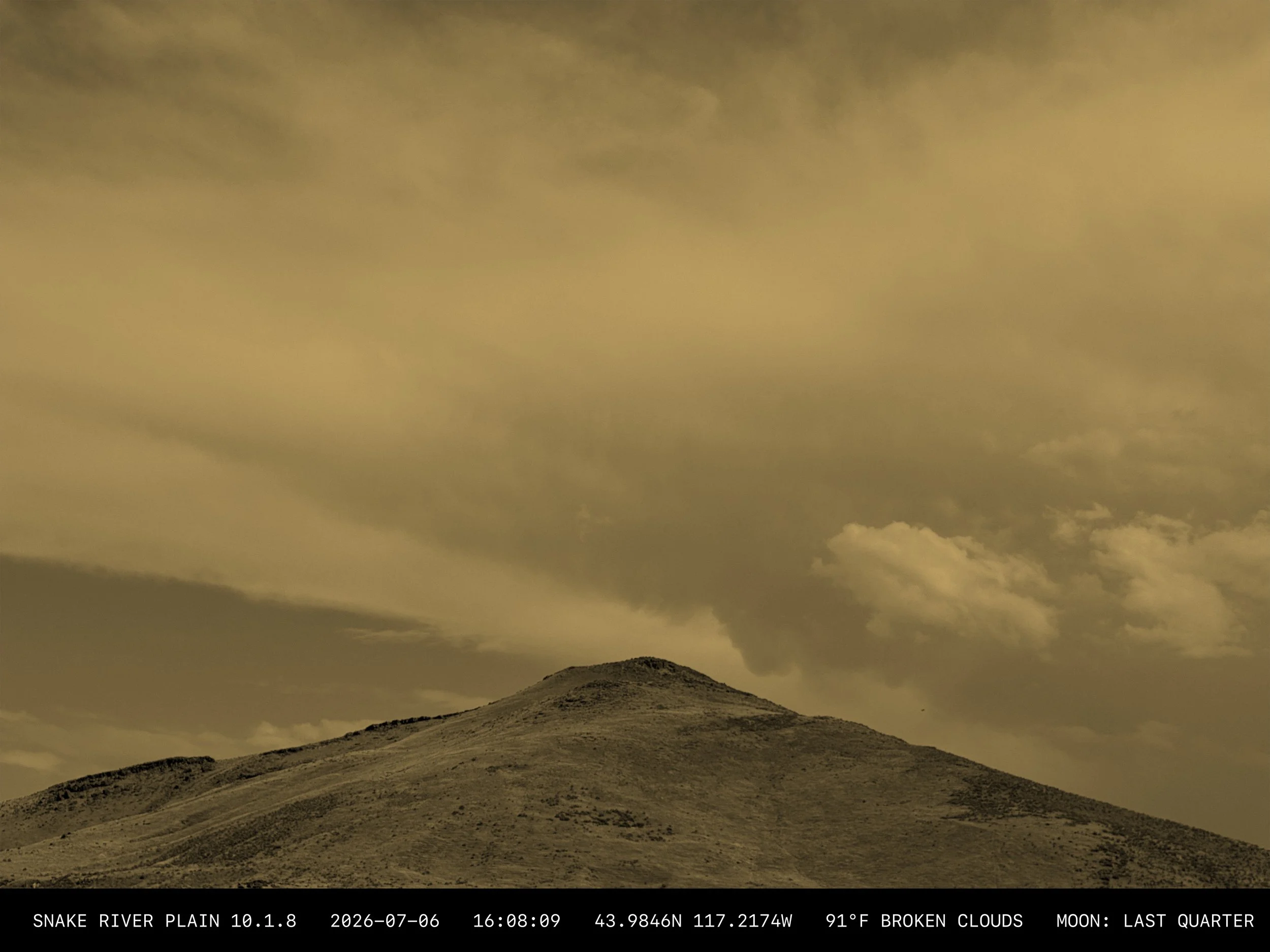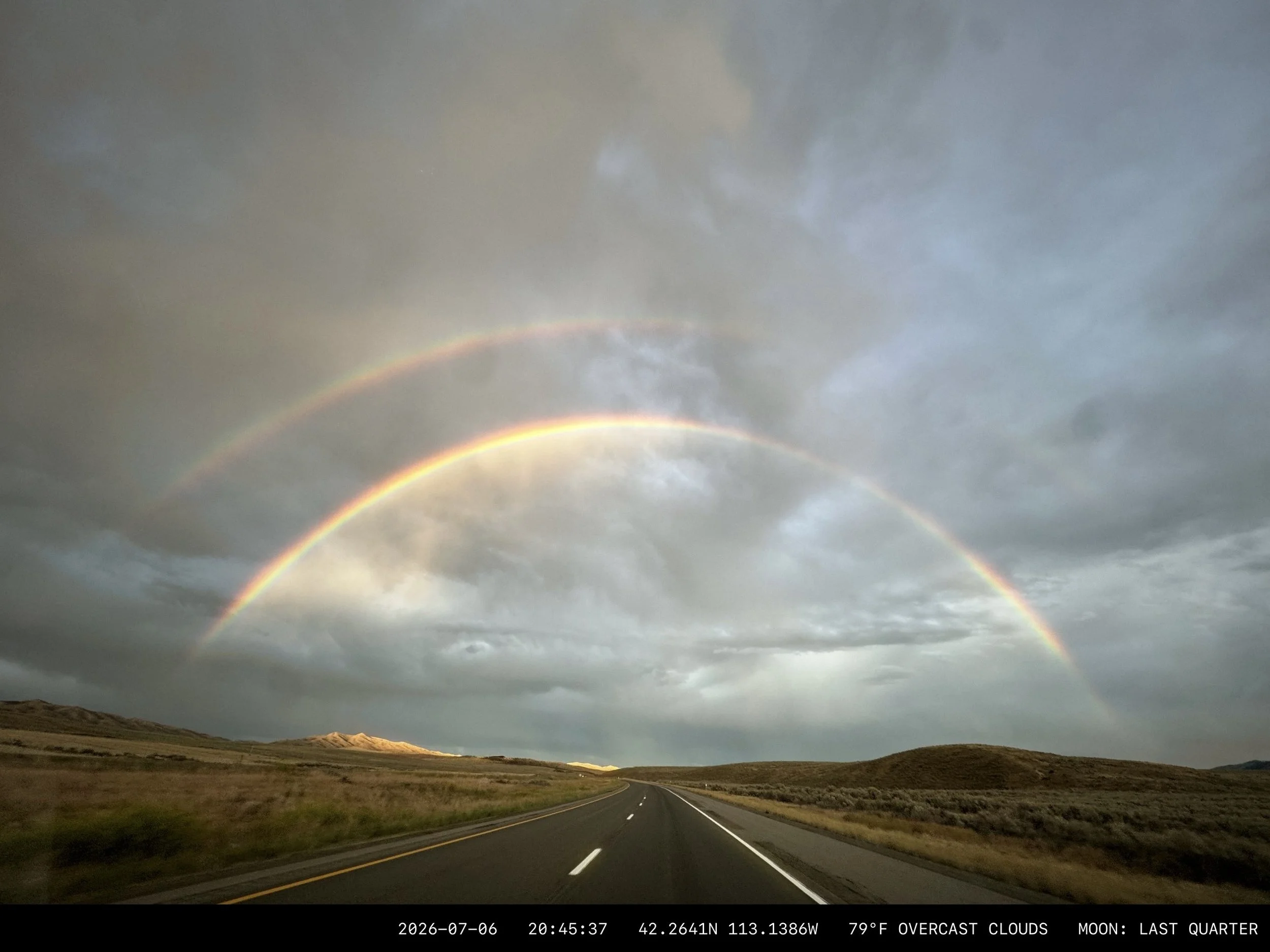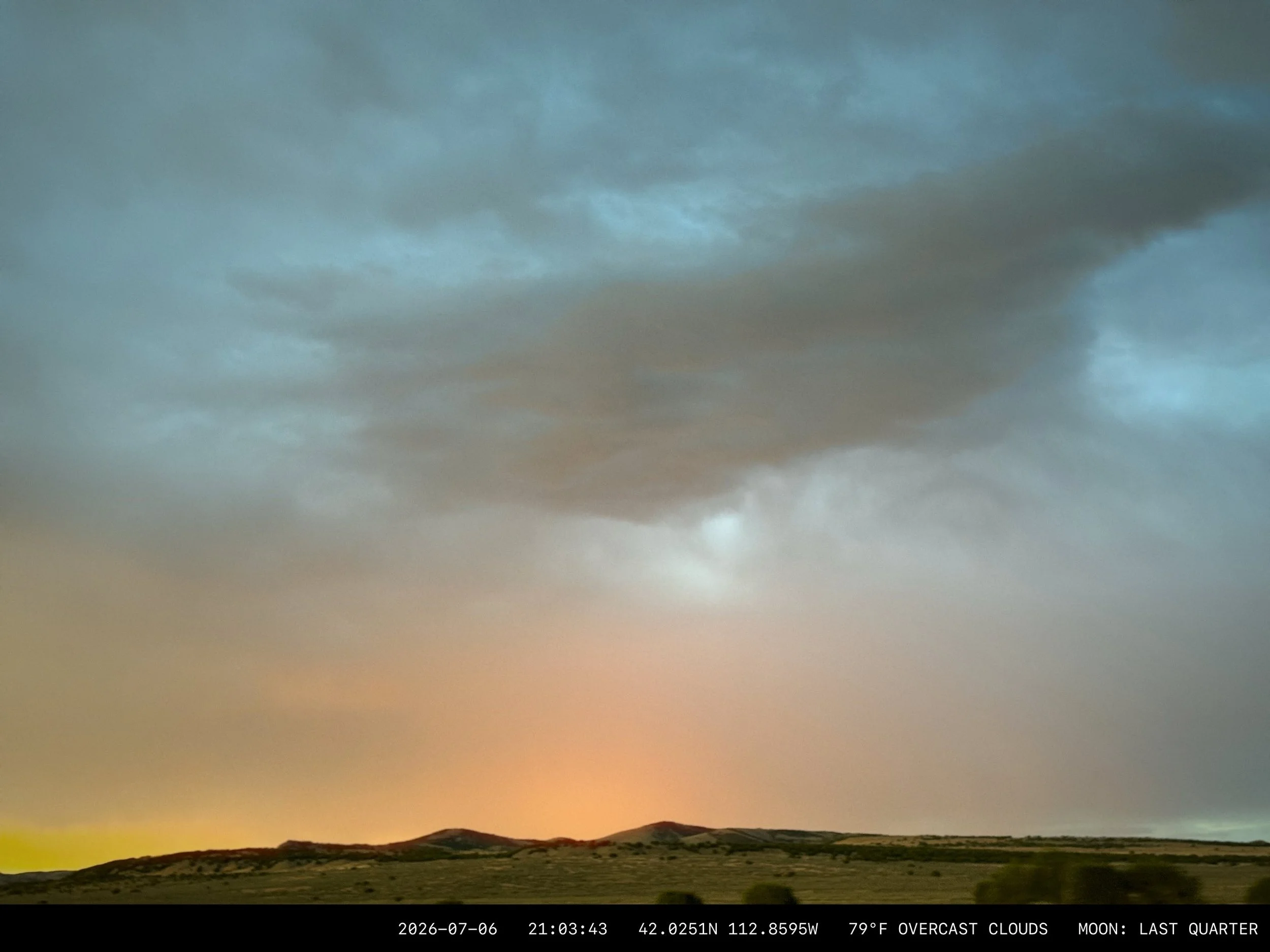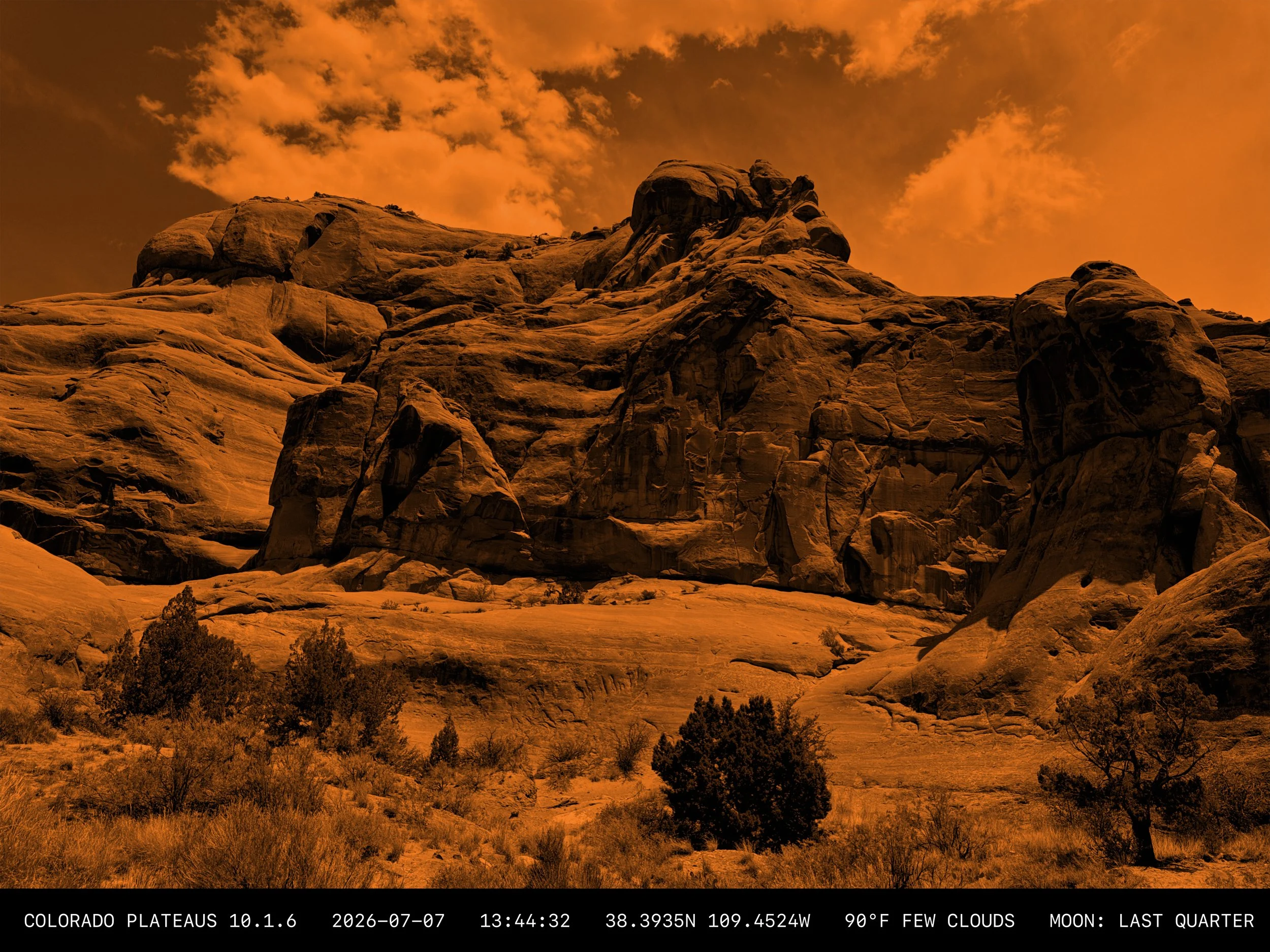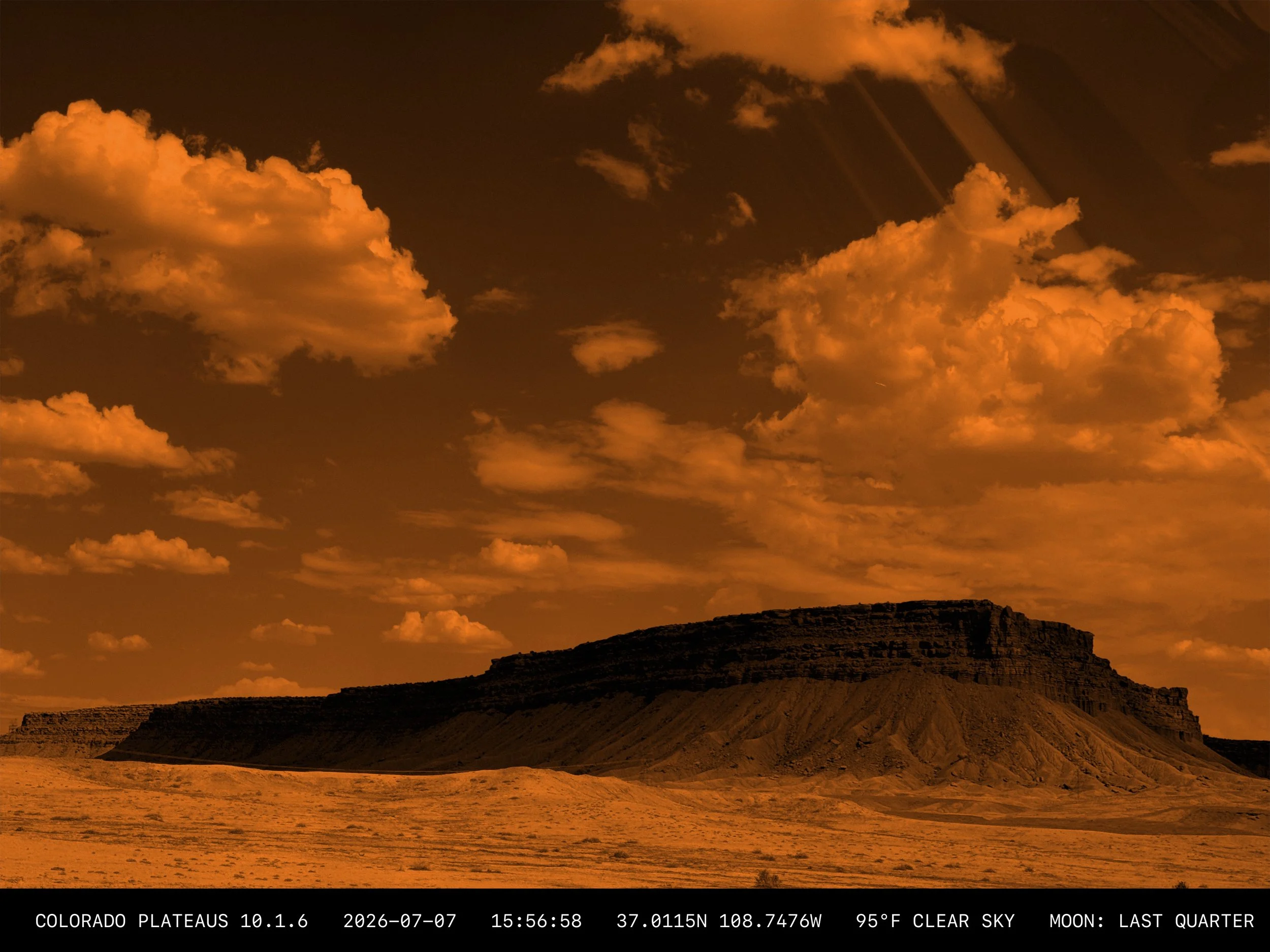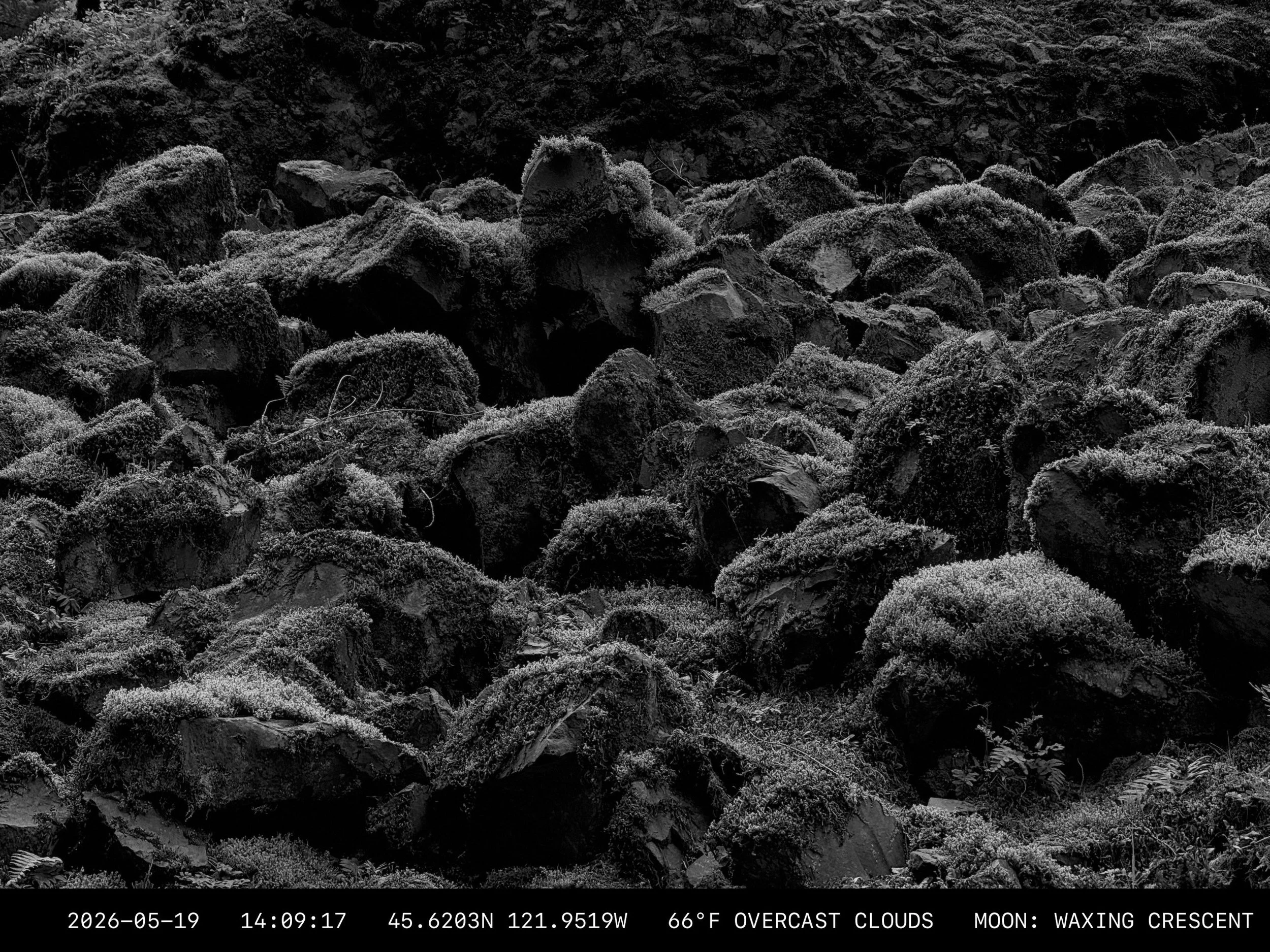
technical and aesthetic case study of trailwork, Adam DeSorbo sole designer and developer
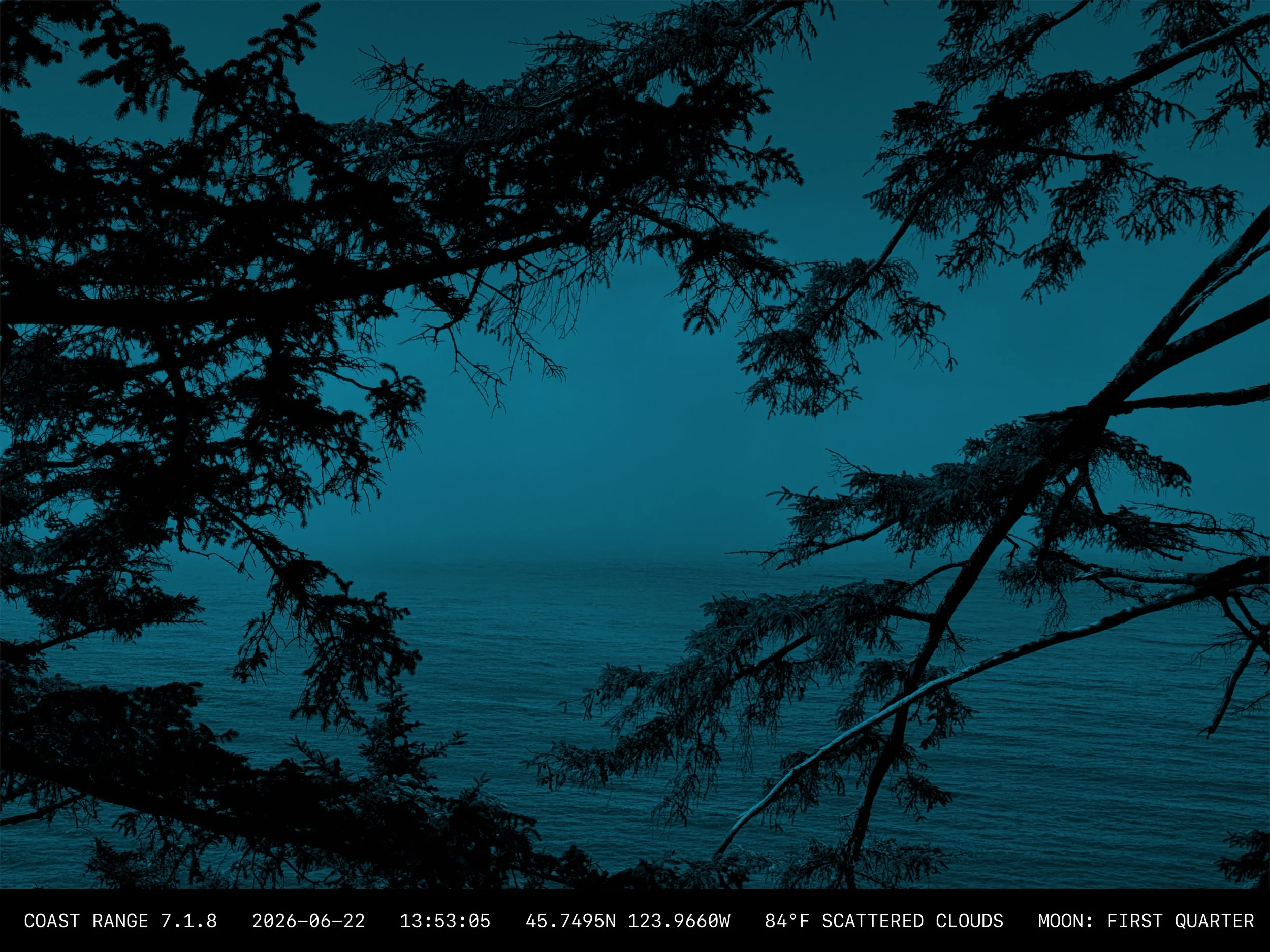
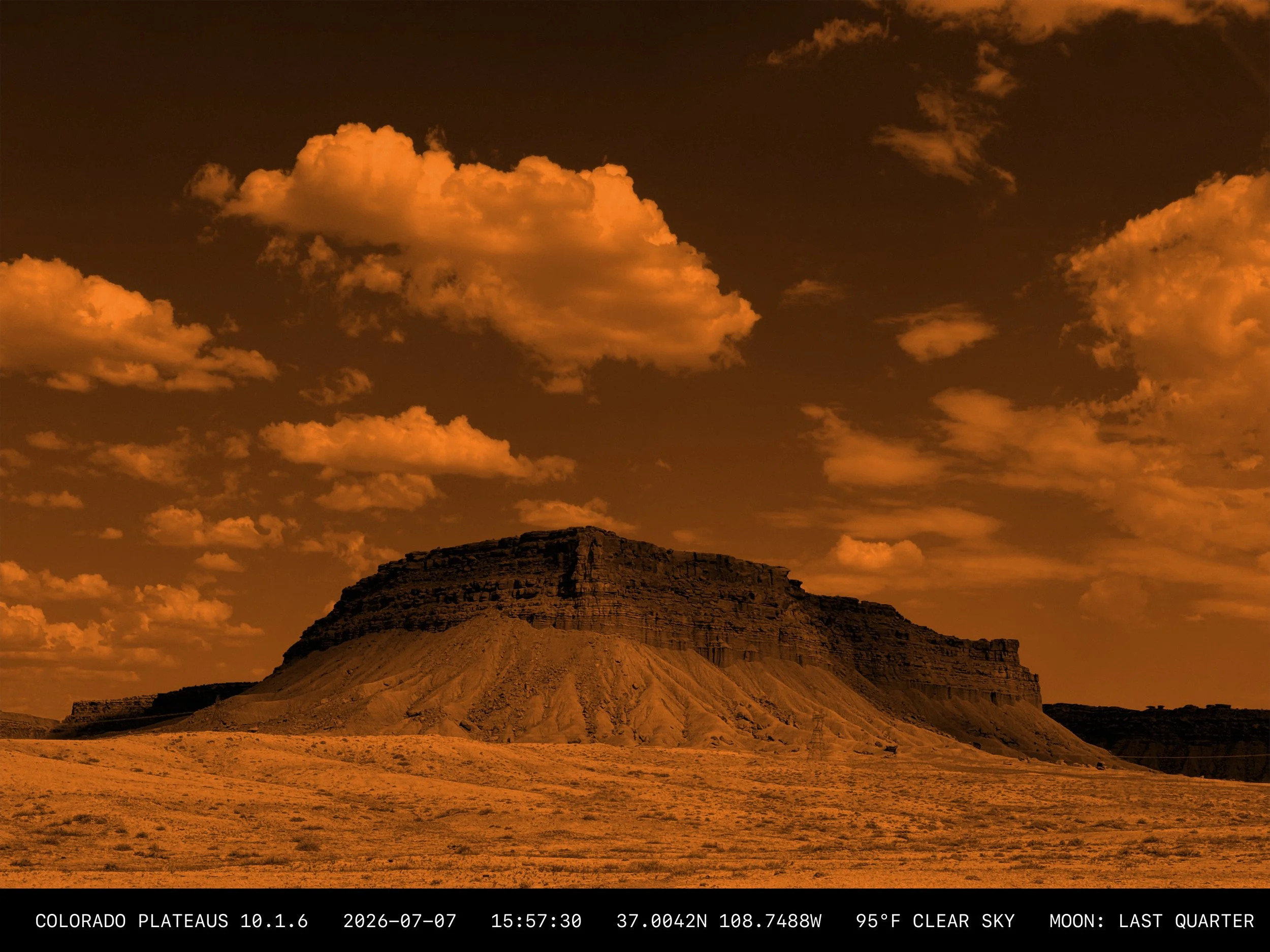
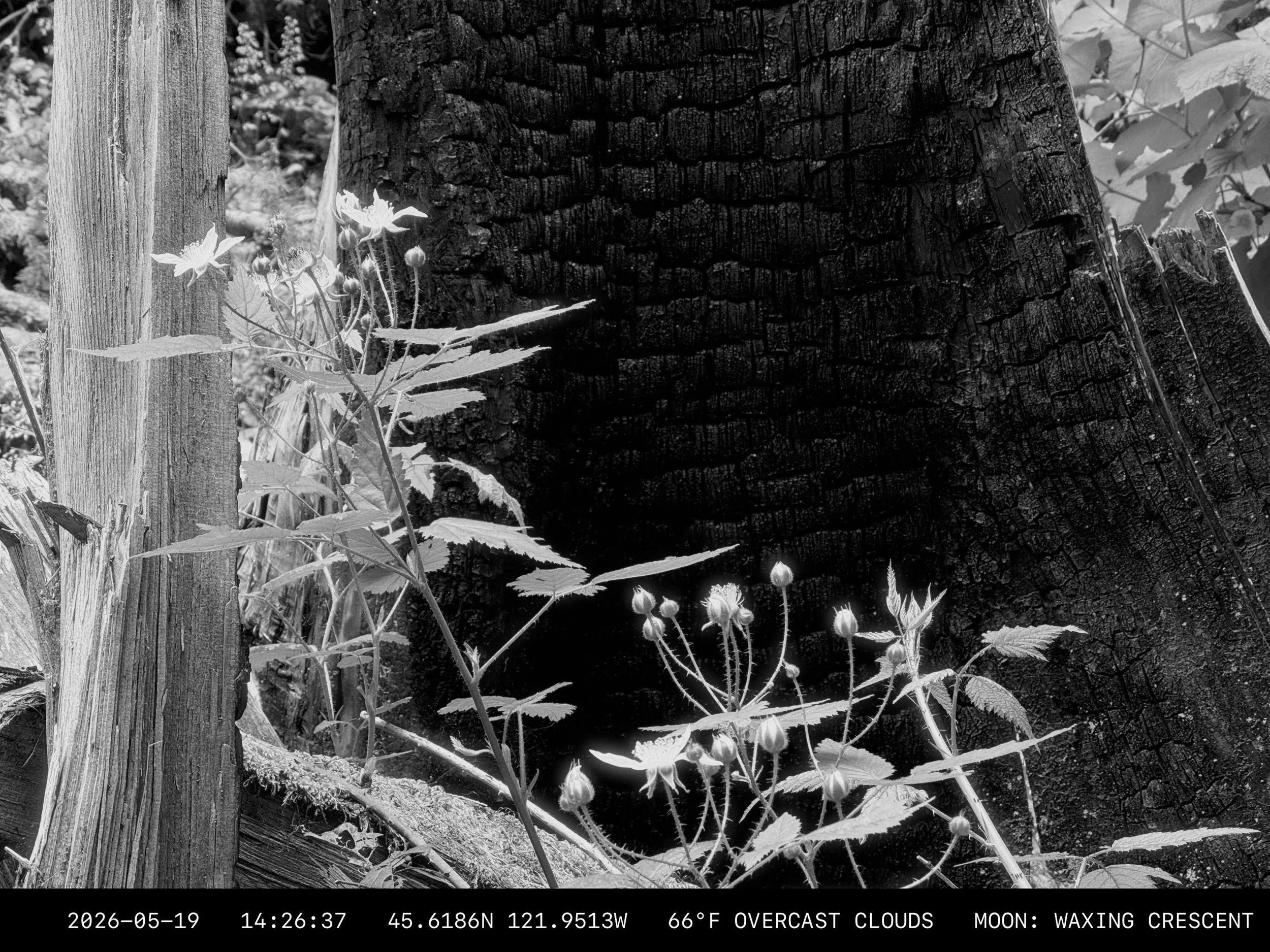
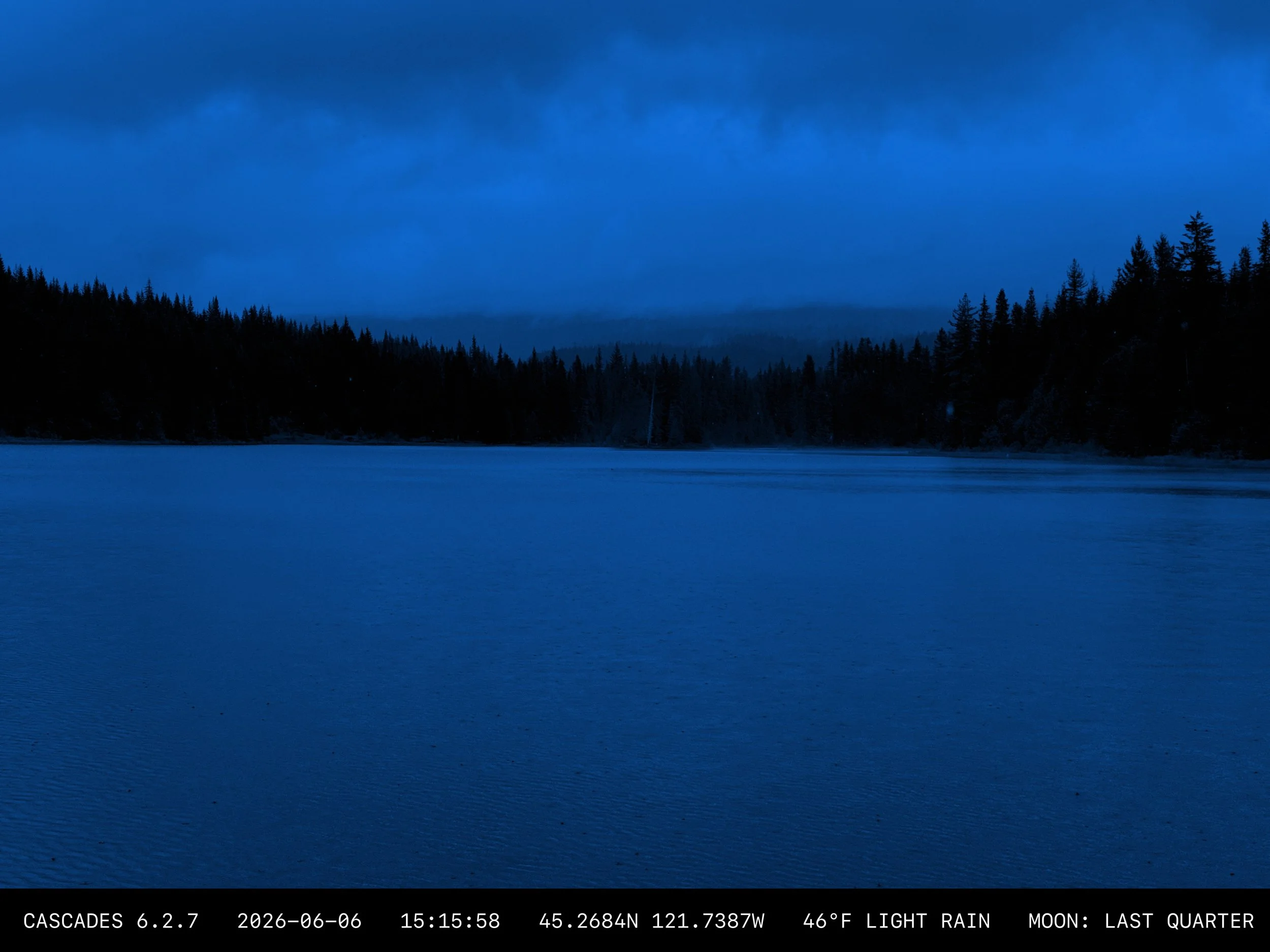
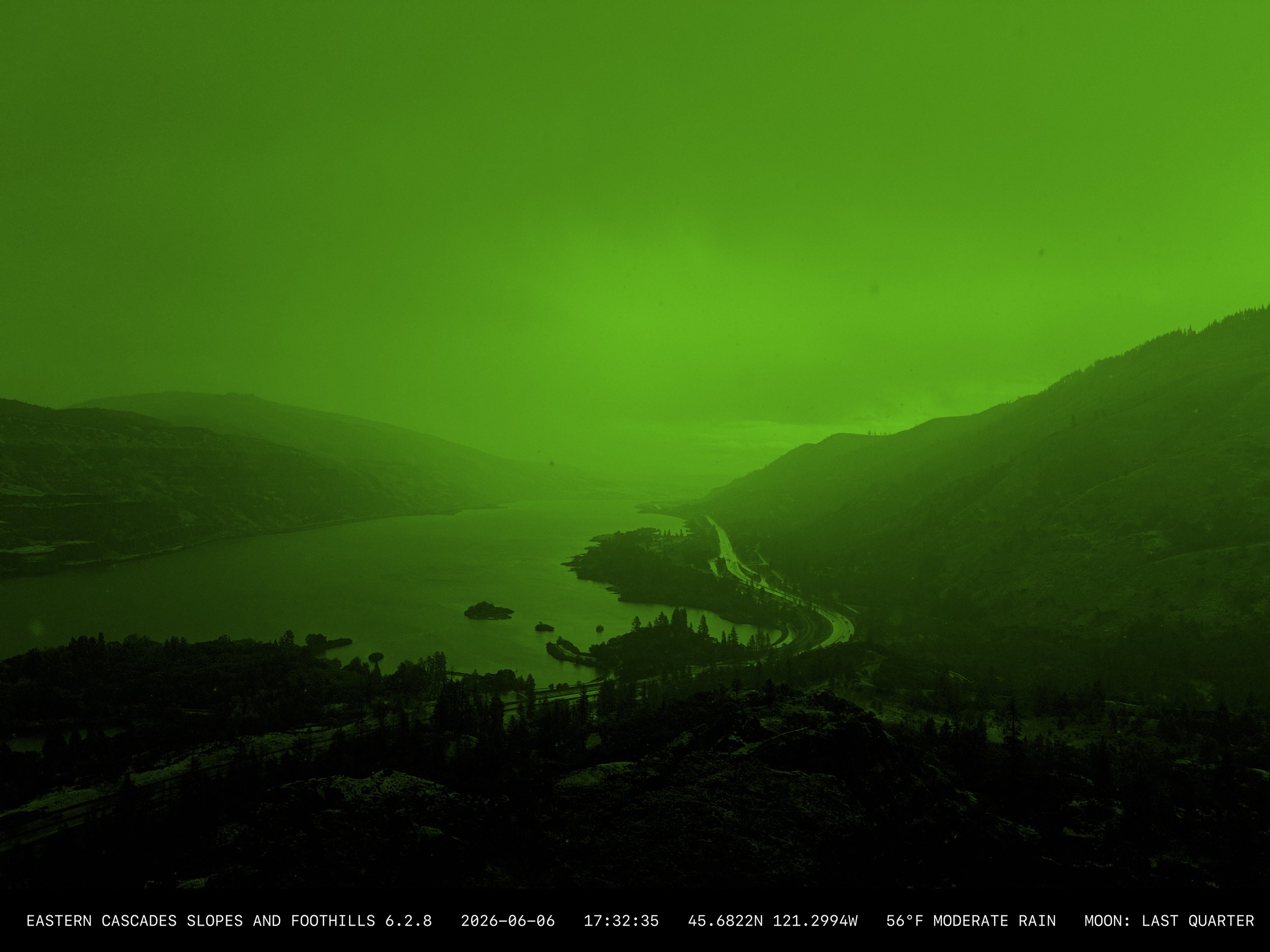
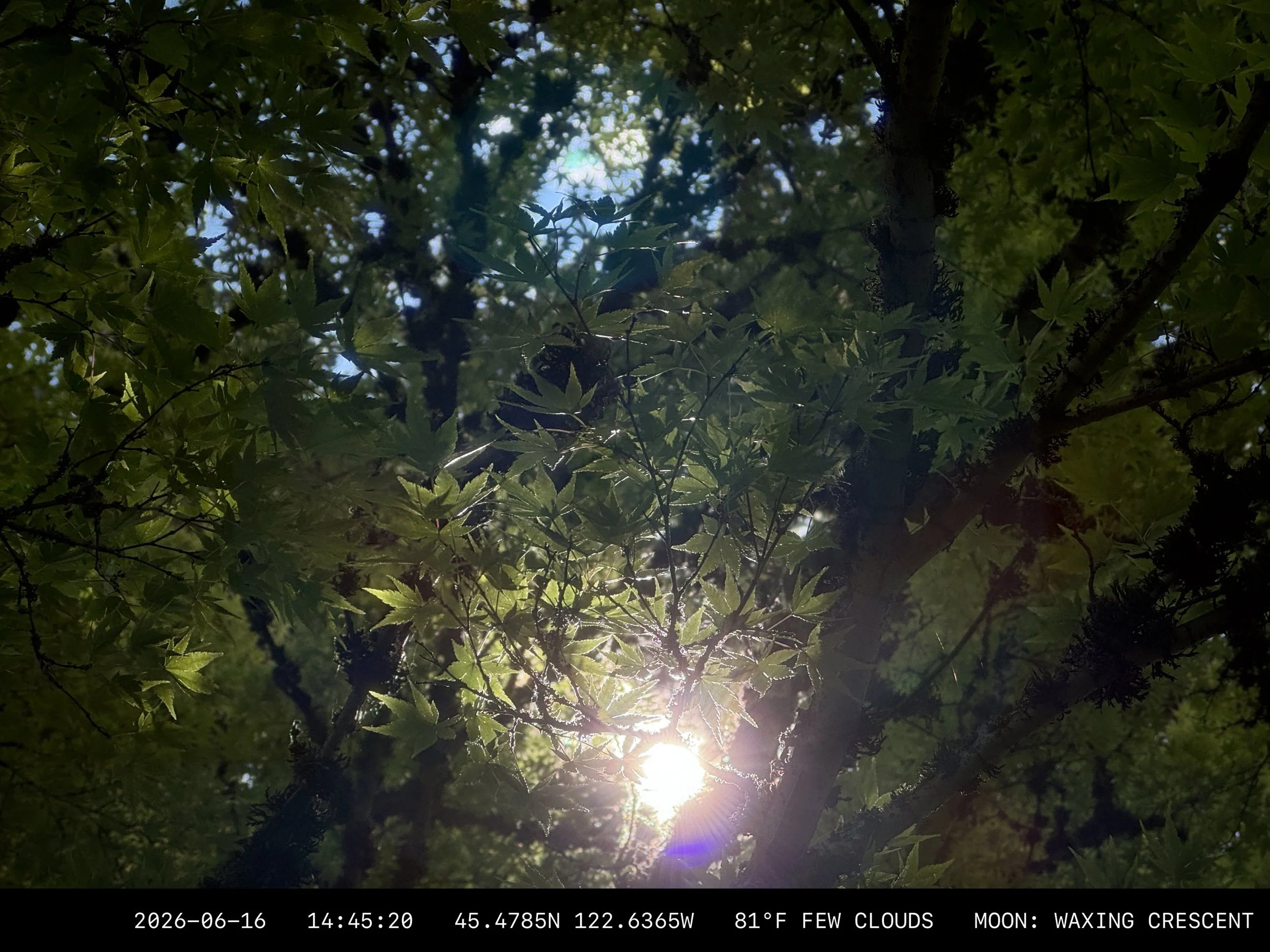
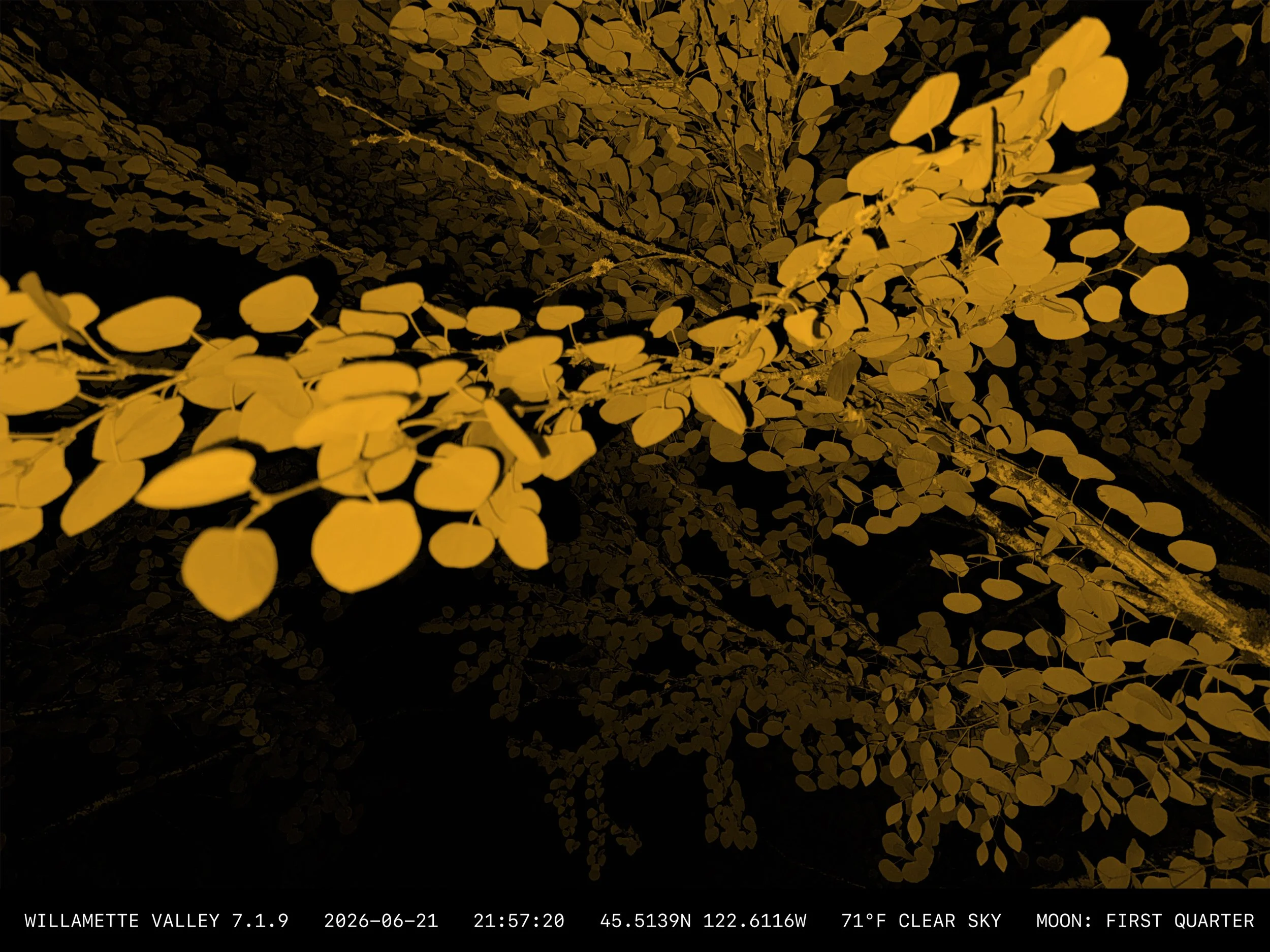
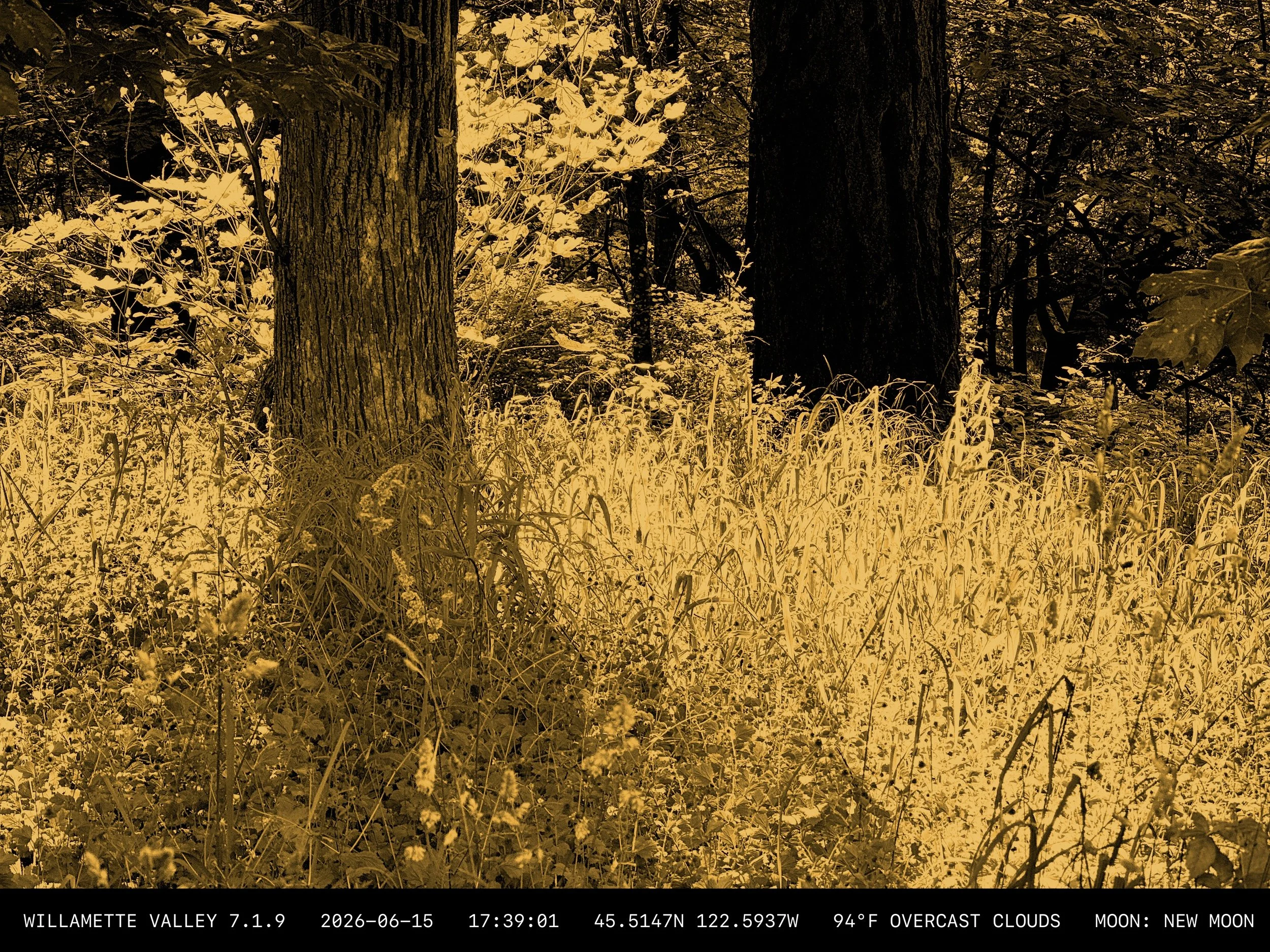
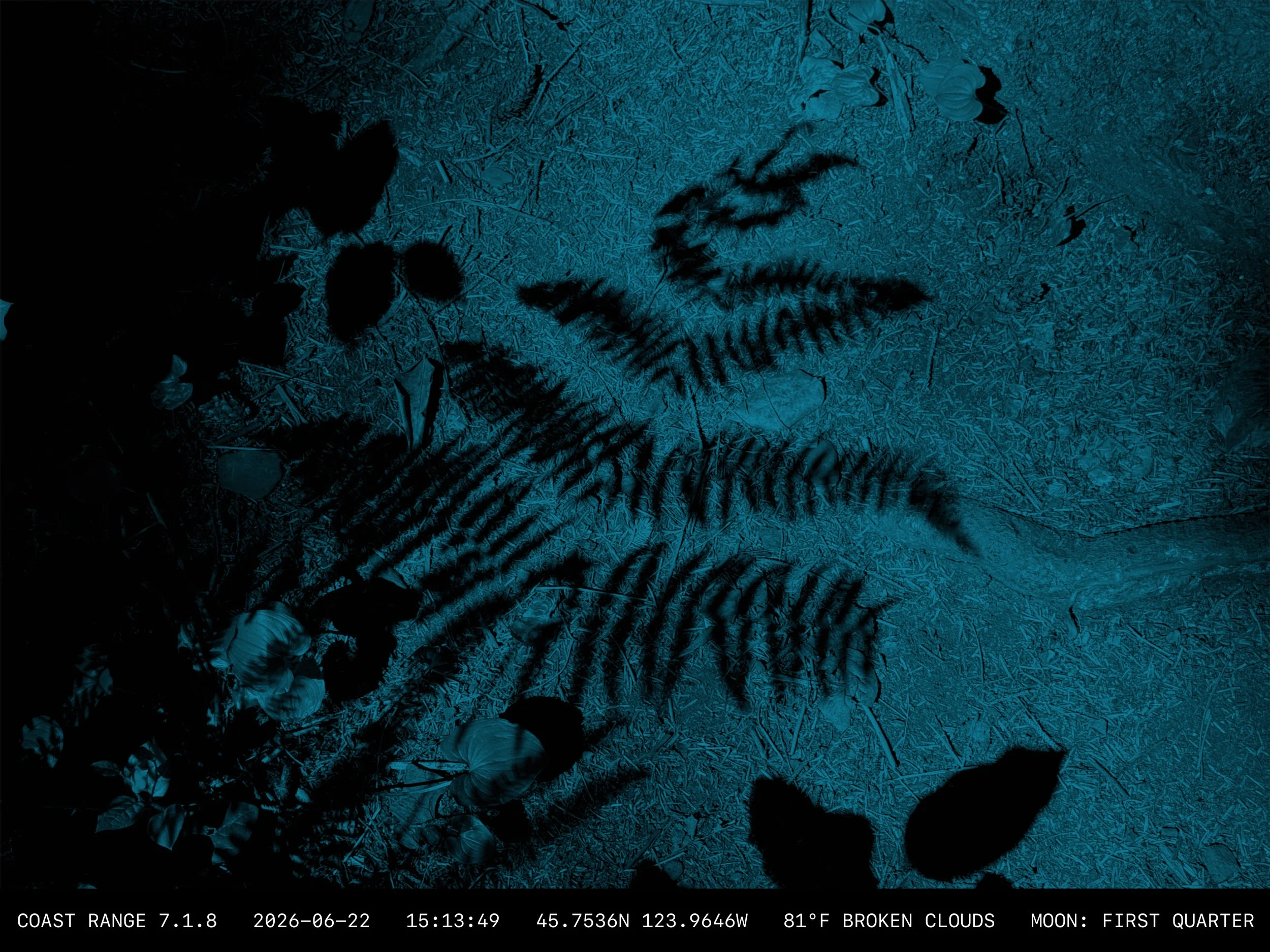
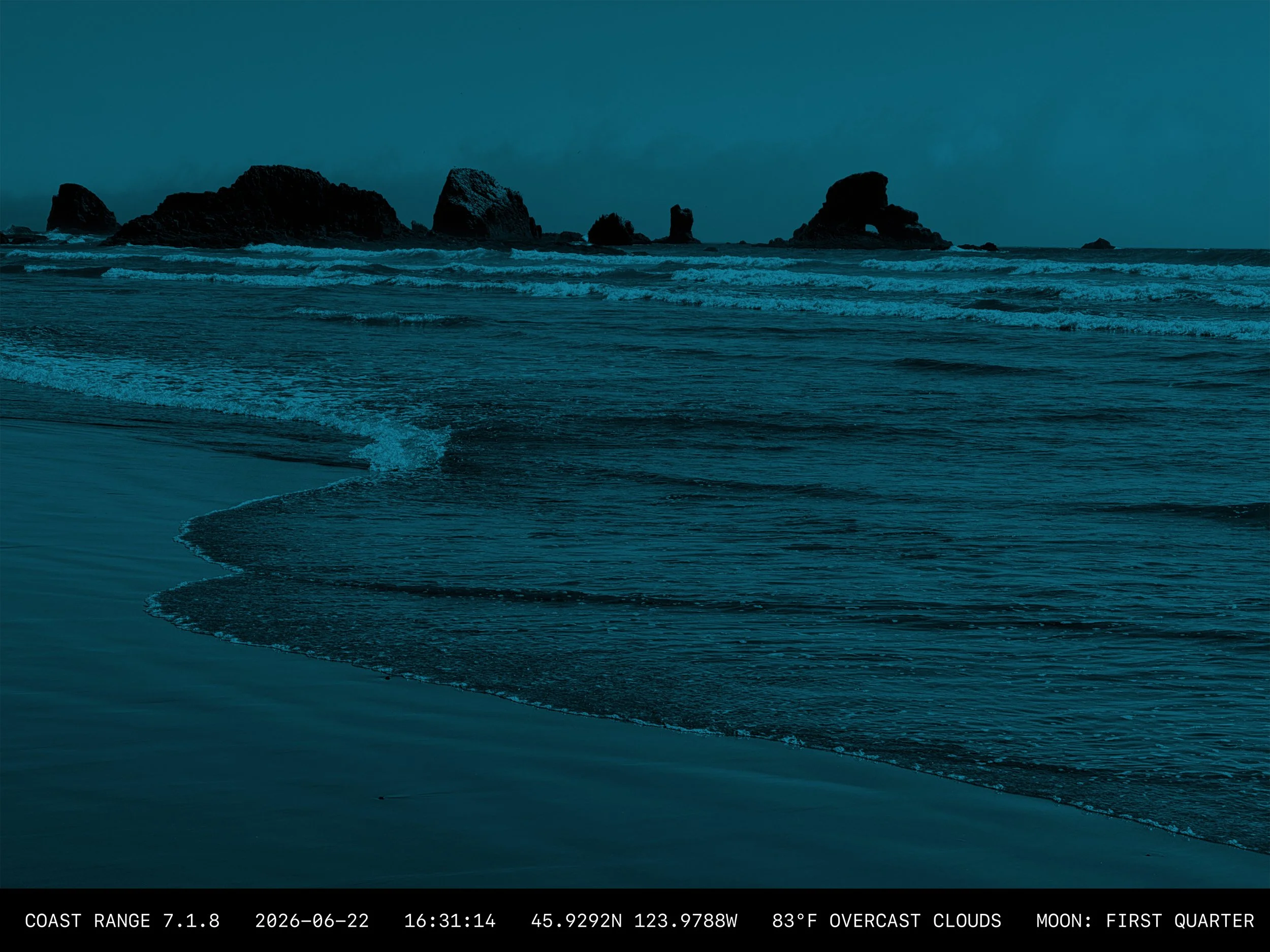
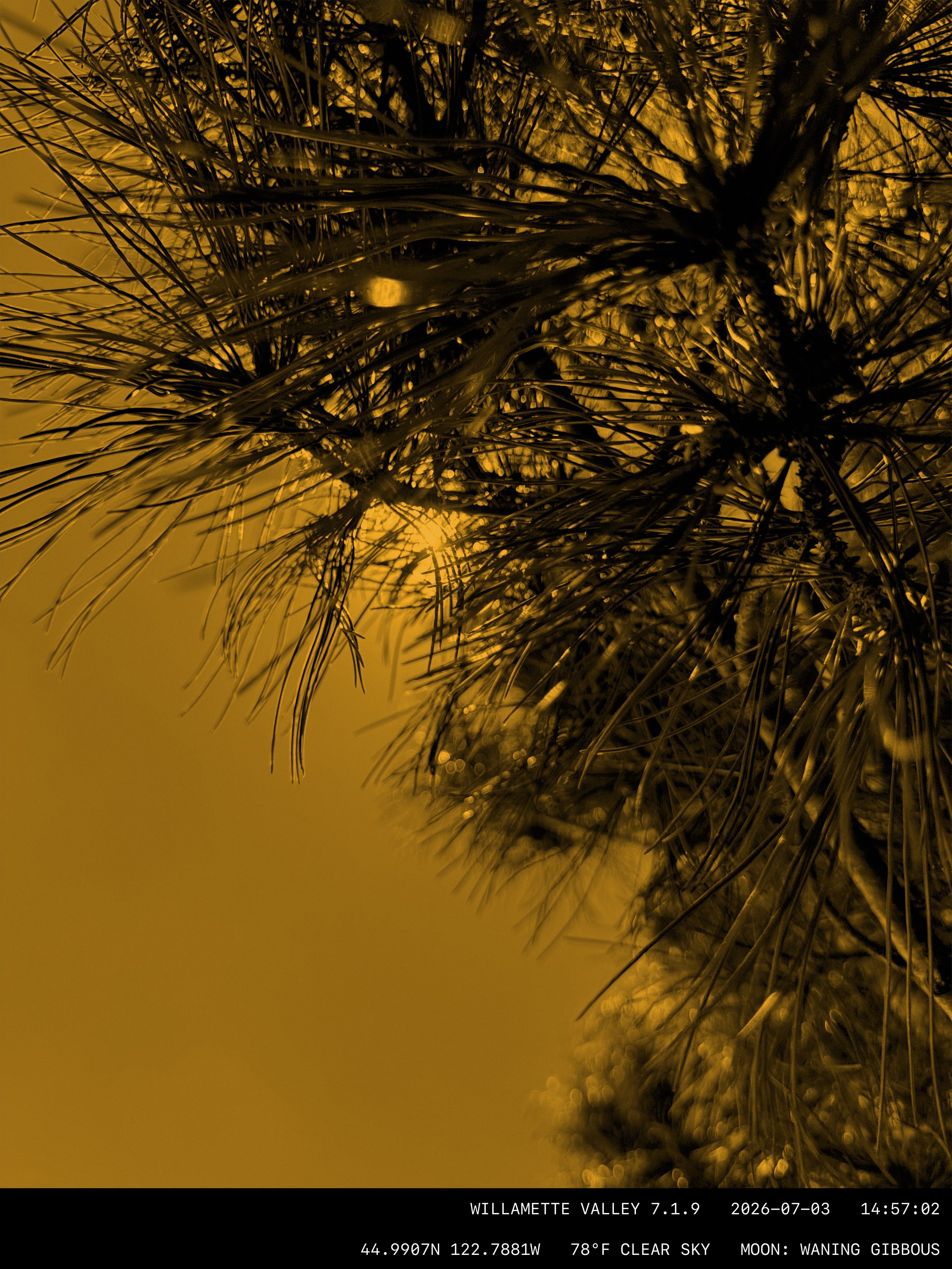
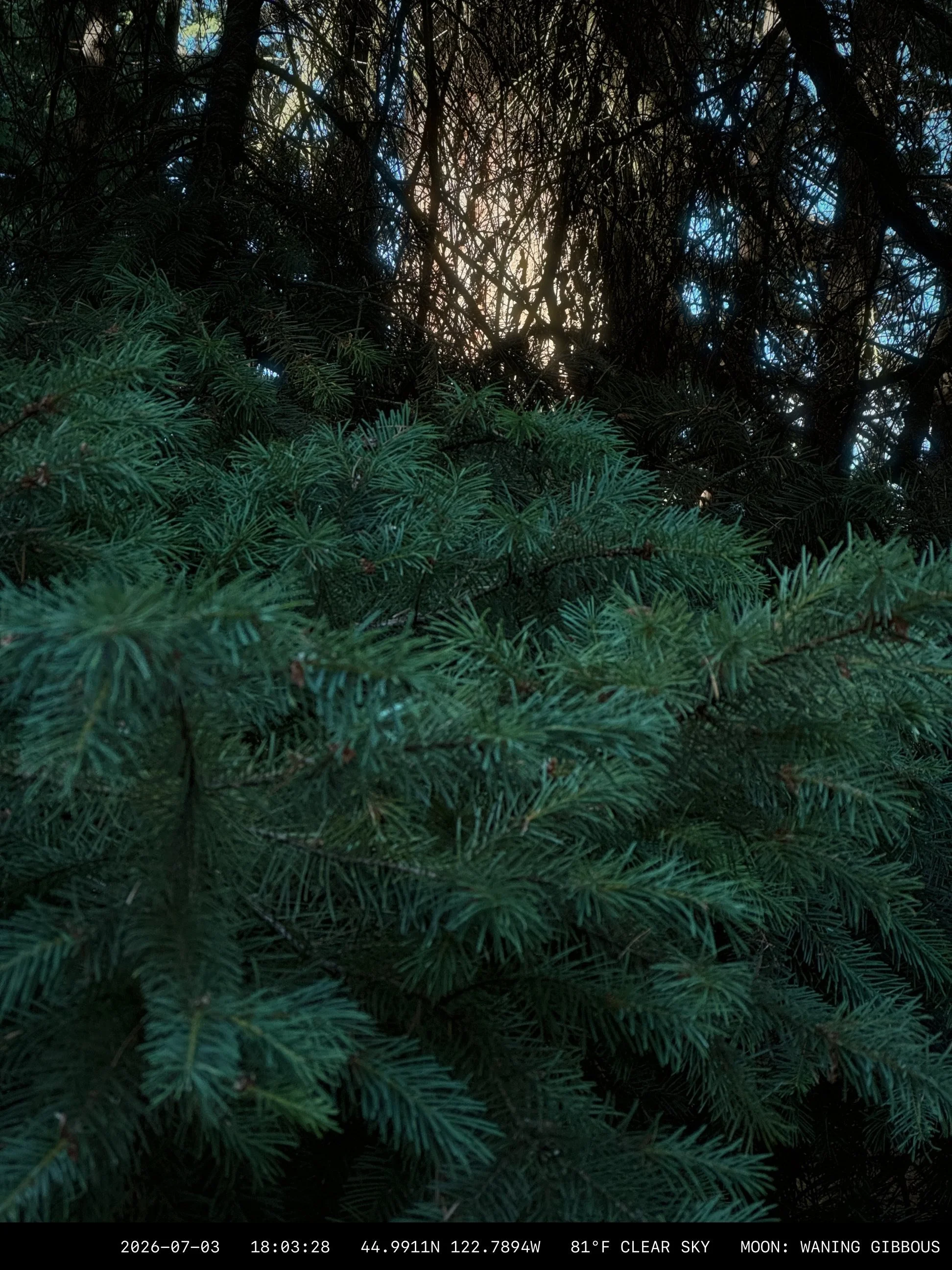
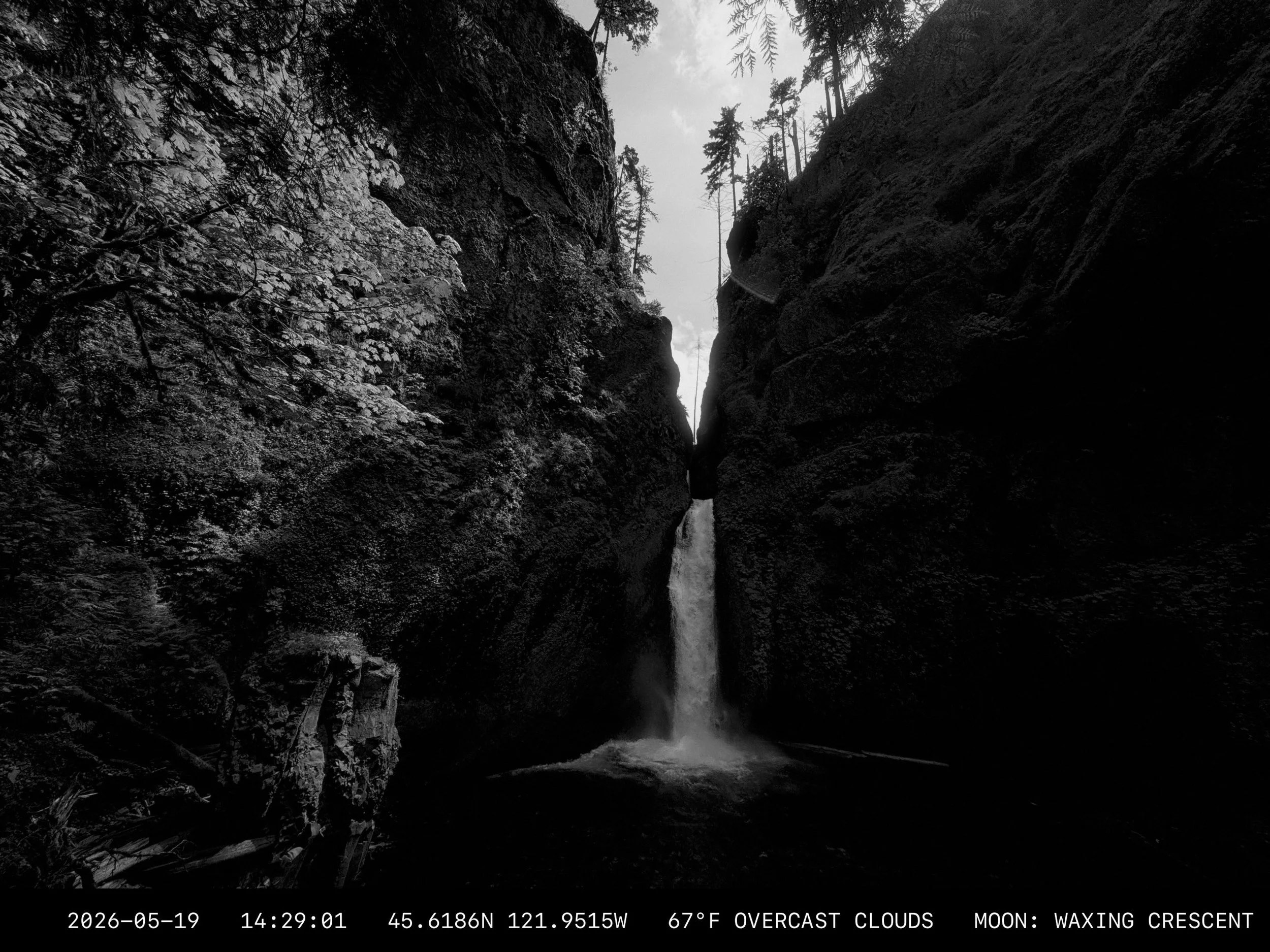
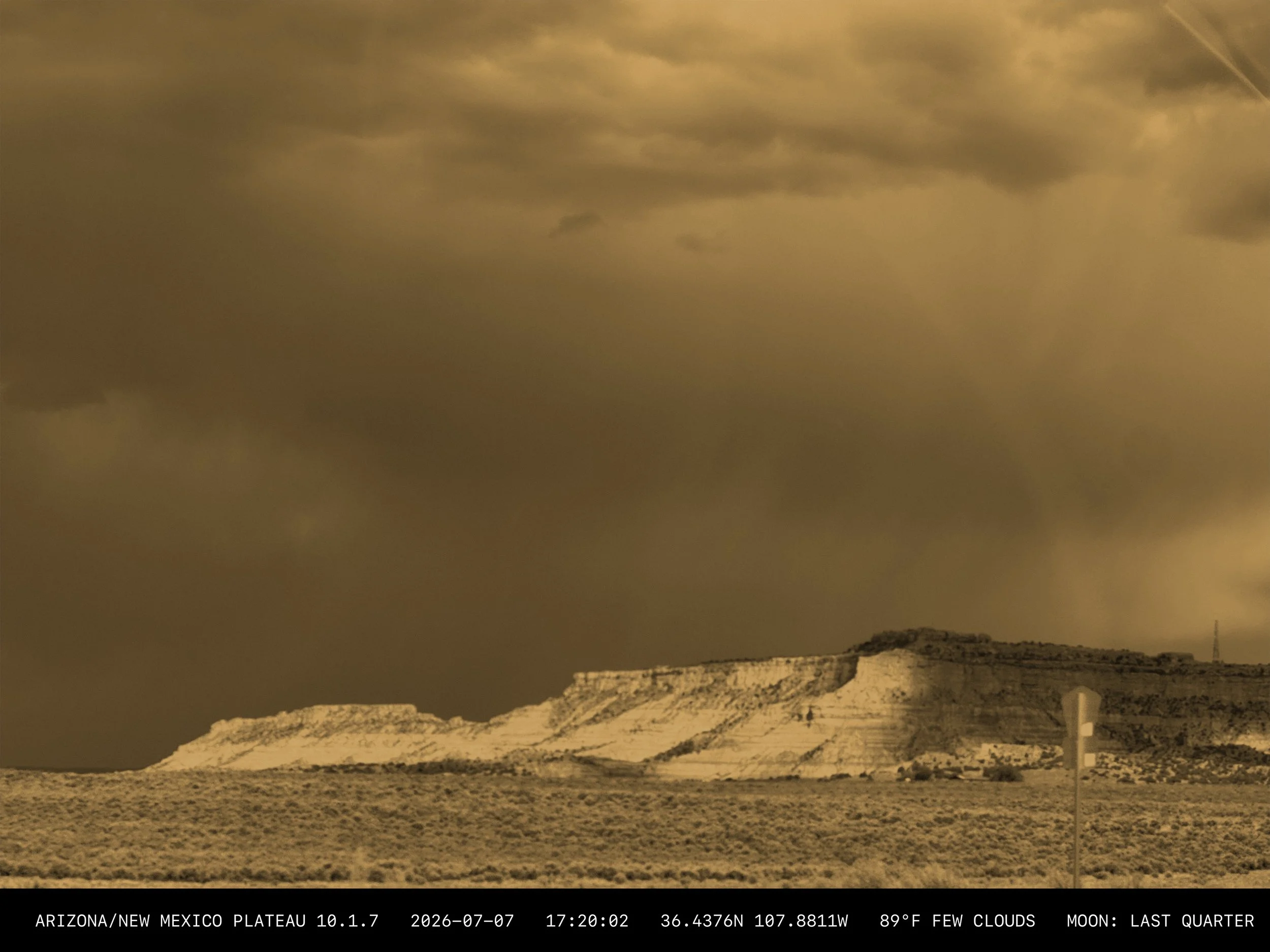
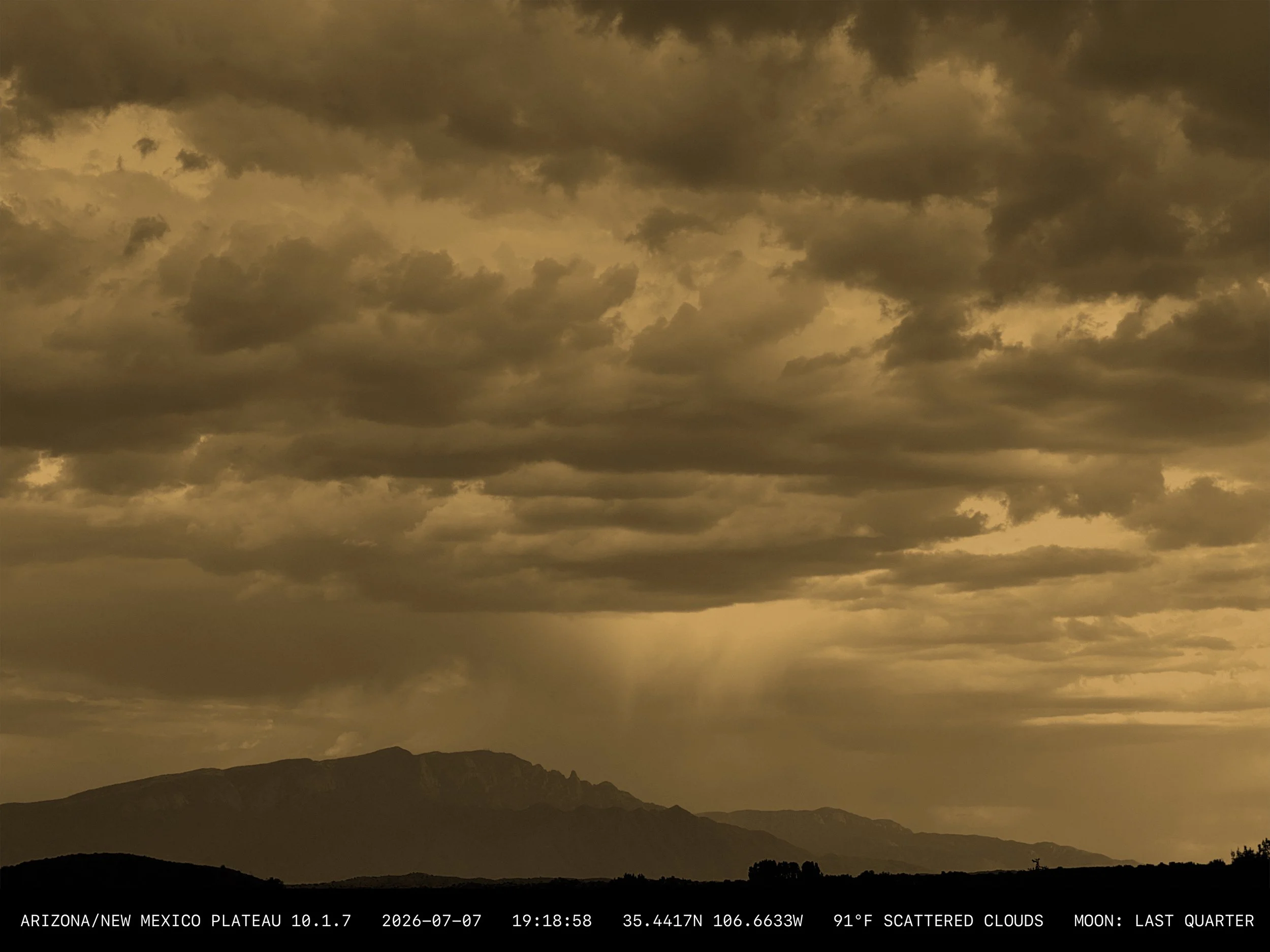
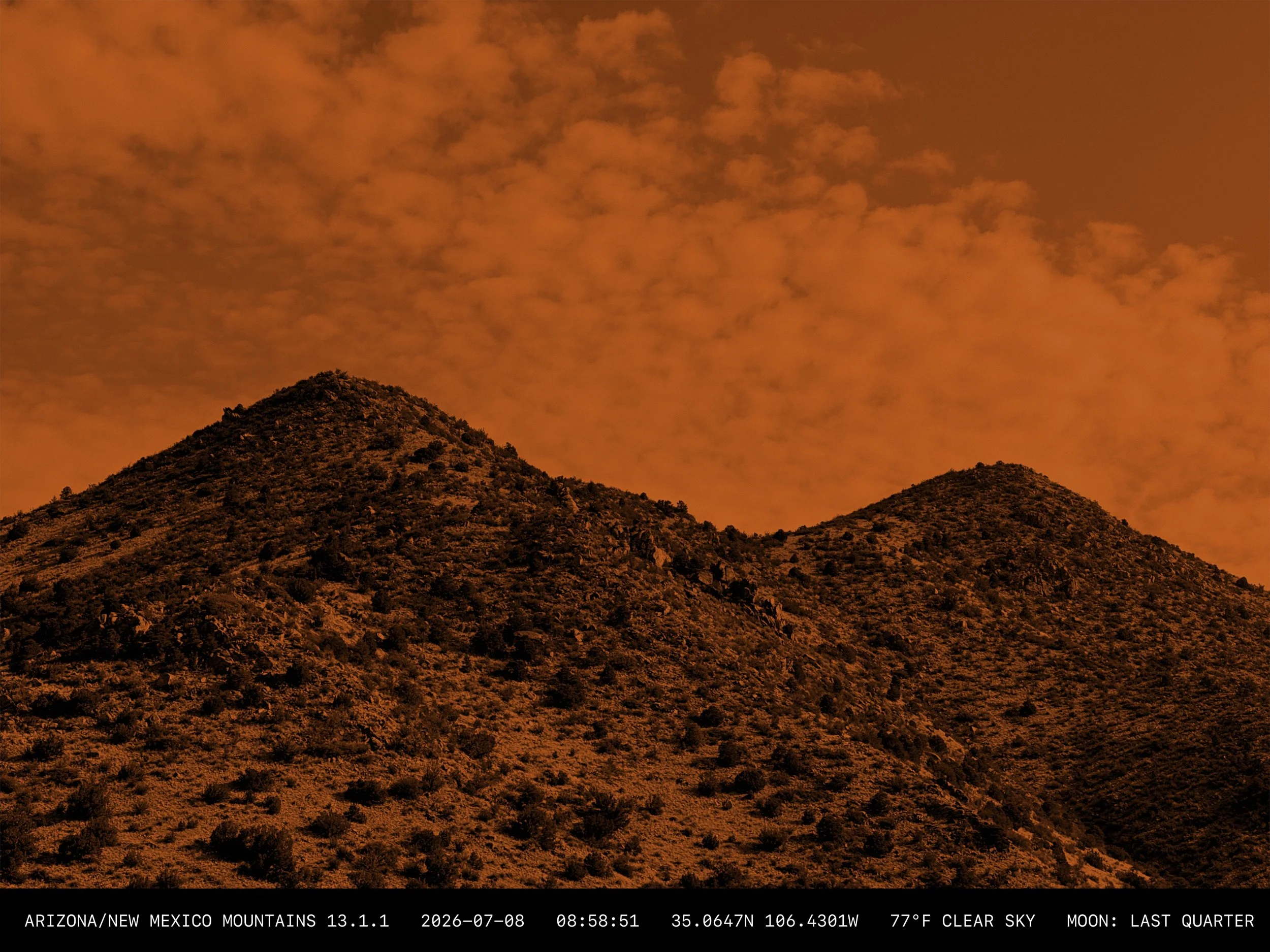
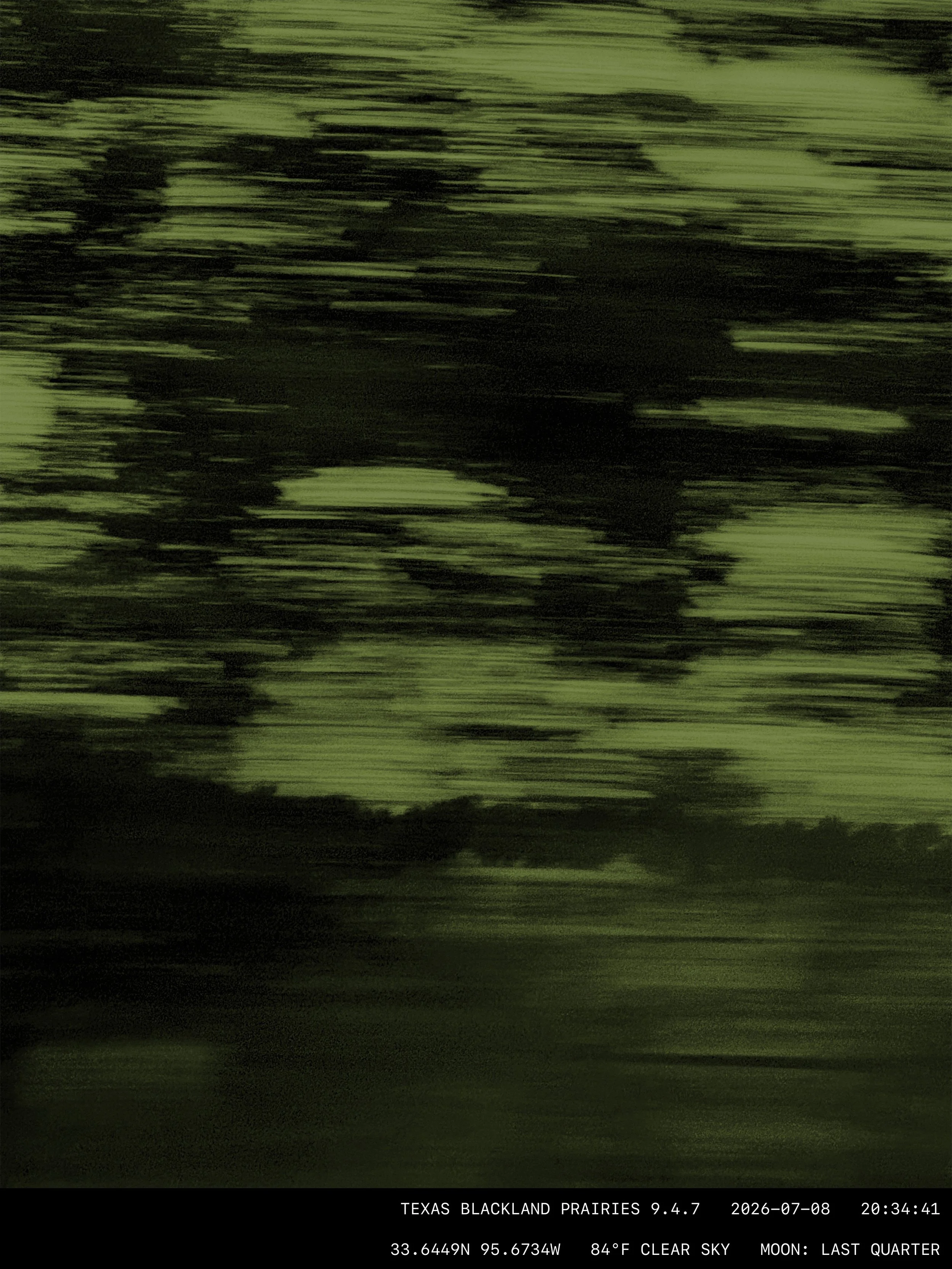
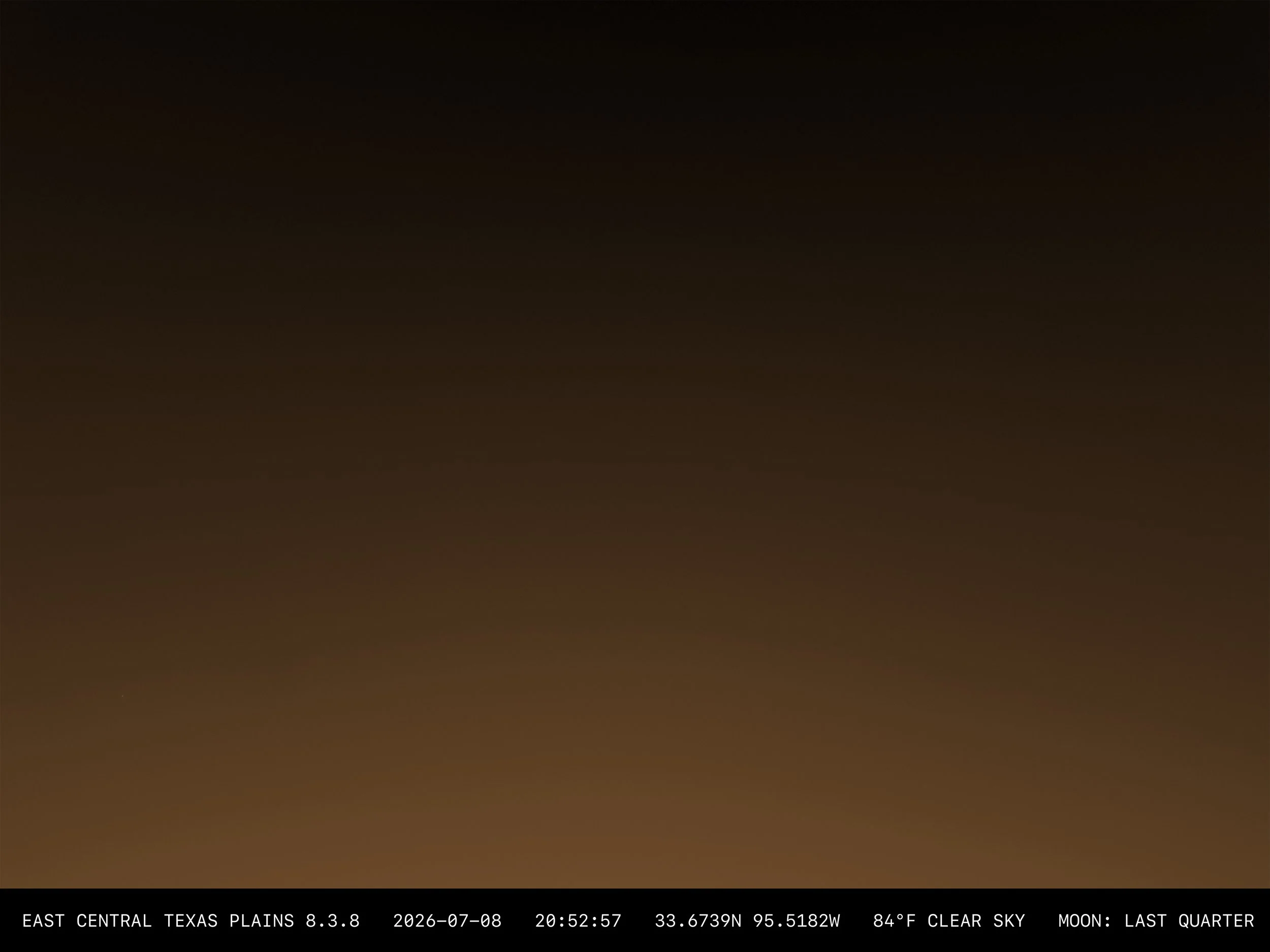
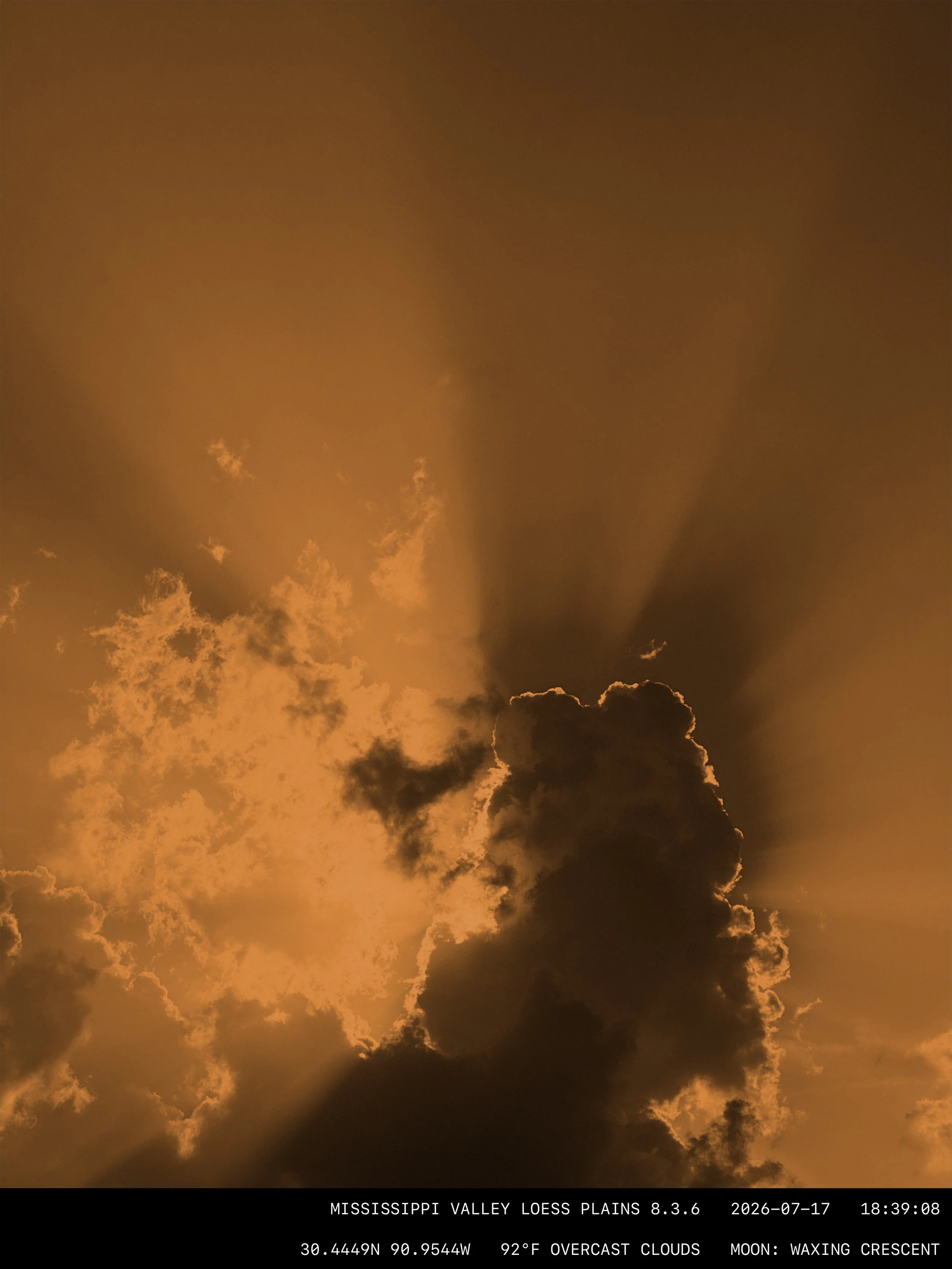
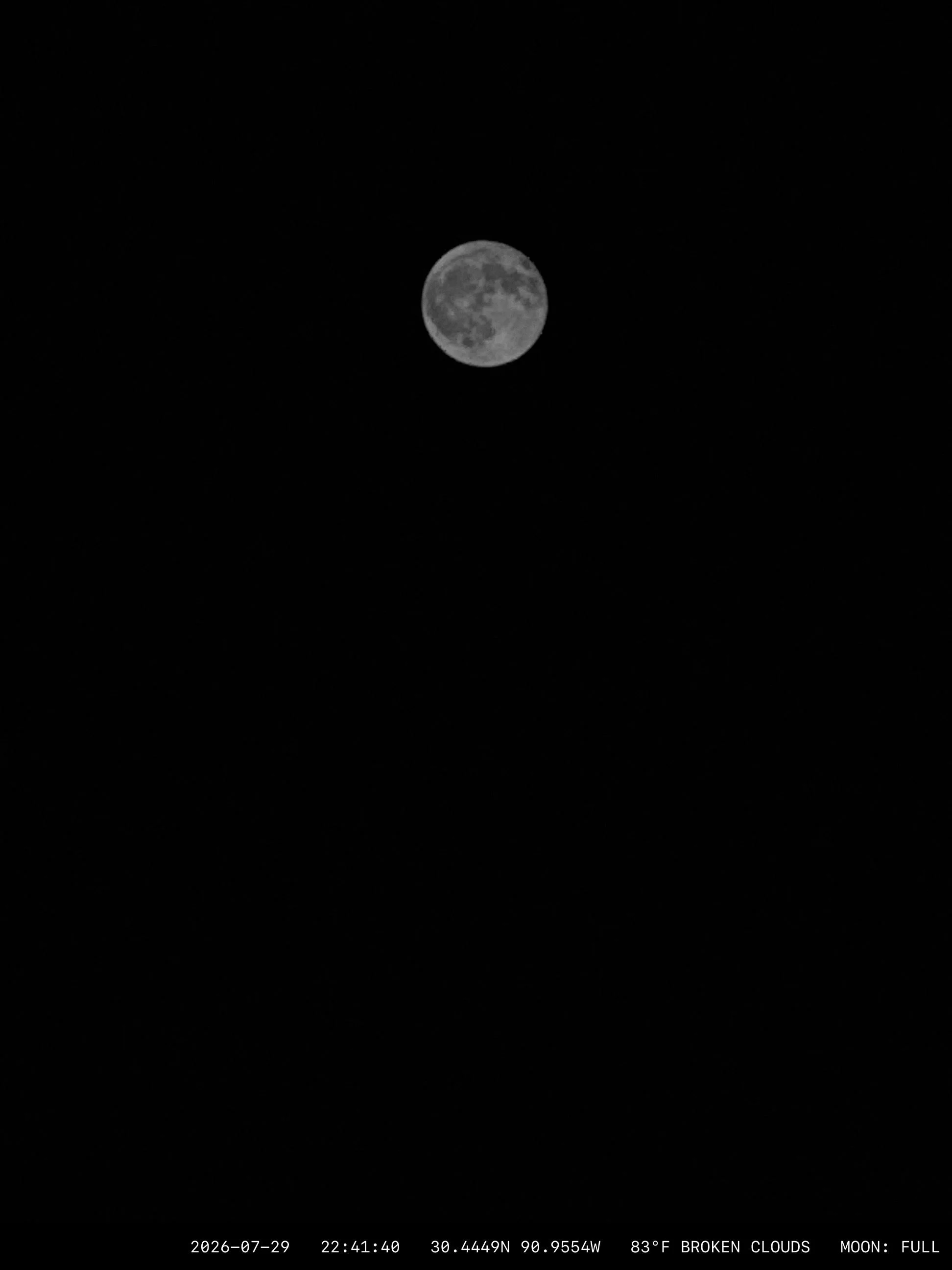
trailwork is an iOS camera app that renders every photograph in the visual language of a trail camera or in the dominant color of the EPA Level III ecoregion the photograph was made in. Each capture is stamped with GPS coordinates to four decimal points (about 30 ft), local weather, and moon phase. It is stamped with the ecoregion as well in eco mode. The app is a functional art piece. Free, ad-free, and free of any data collection beyond what's required to make and stamp the photograph.
Download on App Store here.
User interface, the aesthetic of a trail camera with single page usability.
Status buttons (live or busy, gps, and weather)
Lens picker
Click to focus and drag for exposure compensation
Flash (on, off, auto)
Overlay choice
Print mode (purposely only available in eco mode)
Preview and image review
Atlas feature with all 106 ecoregions allows users to see where the ecoregions are, the color cast, and the ecological reasoning. The map is also searchable by color.